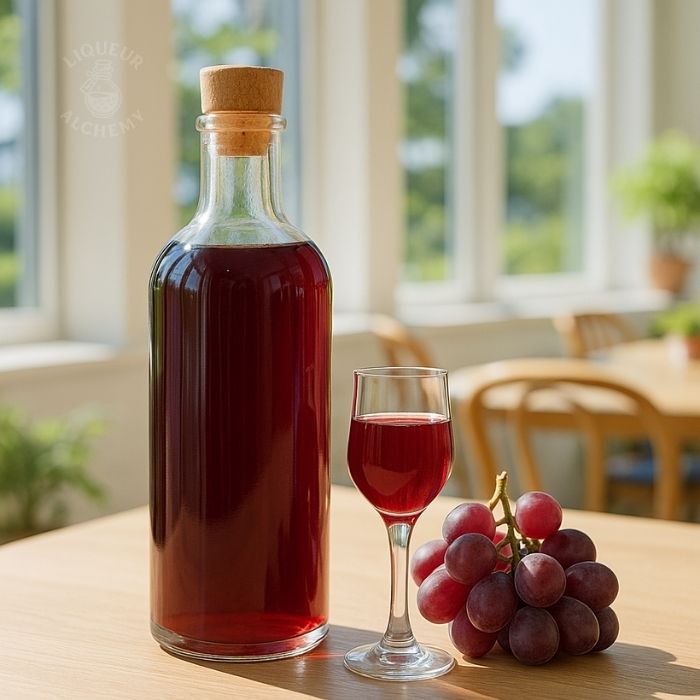
When should you remove lemon thyme, cinnamon, and vanilla so grape stays the star?
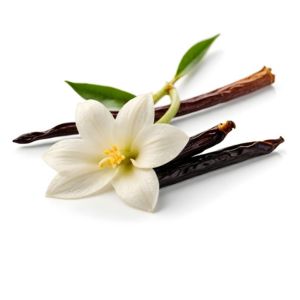
Lemon thyme can turn soapy if left too long, cinnamon can become woody, and vanilla can blur grape into generic sweetness. Because grape is subtle compared to spice, these additions should feel like a background glow, not a headline.
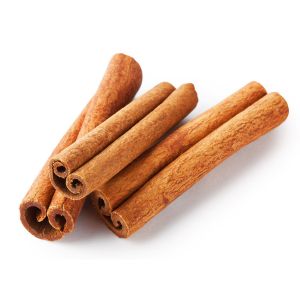
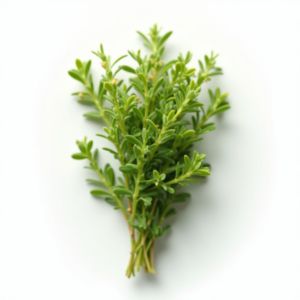
Remove lemon thyme as soon as you smell a clean citrus-herb lift—this is usually the fastest to overdo. Remove cinnamon when it reads warm and rounded, before any barky dryness appears. Vanilla can stay longer, but pull it if the grape nose starts fading.
If grape feels muted, strain off botanicals and let it rest. Time often brings fruit back forward once the spice “peaks” and settles. If needed, a small dilution lifts aroma without adding more sugar.
How do you balance muscovado with lemon so it tastes lush, not molasses-heavy?
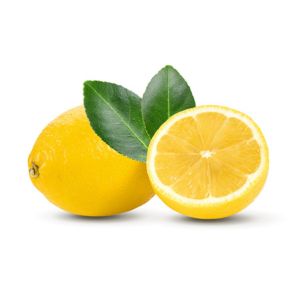
Muscovado adds deep molasses notes that can weigh down grape and make lemon feel either dull (too sweet) or sharp (thick but not bright). The sweet spot is when muscovado is a bass note and lemon is a lift.
Add muscovado cautiously and taste cold. If it’s getting heavy, stop and rest—dark sugars often integrate and feel less “sticky” after a couple of weeks. If lemon feels sharp, try a small dilution before adding more sweetness; dilution lowers density and lets aroma rise.
If it feels dull, prefer aroma lift over extra acid: a tiny touch of pith-free lemon zest (brief contact) can brighten without sharpening the palate. Avoid piling on more juice, which can make tannin and sweetness clash.
How long should grapes steep before they start tasting winey or bitter?
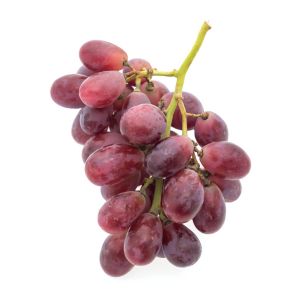
Red grapes can become “wine-like” quickly because skins contain tannins and pigments. That structure can be lovely, but too much skin contact turns the finish dry and slightly bitter, especially with lemon and warm spices. The goal is juicy grape perfume with gentle grip.
Taste early and strain once you have strong grape aroma and color, before the mouthfeel turns tea-like. Avoid crushing grapes too aggressively; breaking lots of skins accelerates tannin extraction. Keeping fruit pieces larger gives a smoother, fresher profile.
If it already tastes dry, strain immediately and rest. A small dilution can soften tannin. Avoid adding extra lemon “for brightness”—it often makes tannin feel harsher. Instead, use a tiny touch more sweetness after resting if needed.