Why does dried lemon sometimes make liqueurs taste overly bitter or sharp?
Troubleshooting Common Homemade Liqueur Problems and Fixes
Direct Answer
Dried lemon makes liqueurs too bitter when dose, pith content, or infusion time pushes its concentrated citrus and peel notes too far.
Expanded Explanation
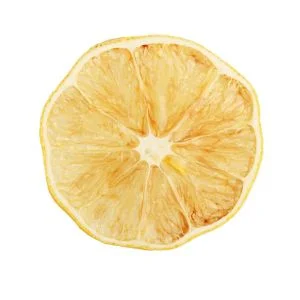
Dried lemon can make liqueurs taste overly bitter or sharp because it is a concentrated citrus ingredient that contains peel bitterness, aromatic oils, and the concentrated remains of the fruit’s acidic character. When too much is used, or when the infusion runs too long, those elements can move from balanced and structural to clearly dominant. Instead of adding depth and brightness, the dried lemon begins to define the whole liqueur through dryness and edge. This is especially noticeable in ...
Preparation choices also matter. Thin or heavily broken dried lemon extracts more quickly and can release bitterness faster than larger intact pieces. Some dried lemon products include a lot of pith, which naturally increases bitter potential. If the liqueur is lightly sweetened or lacks other balancing elements such as vanilla, honey, berries, or warming spices, the sharpness becomes even more obvious. In some cases, the maker expects the bitterness to mellow fully after resting, but while slight integra...
The best prevention is careful dosing, thoughtful pairing, and regular tasting. Dried lemon is excellent when used for lift, structure, and complexity. It becomes a problem only when treated as though more always means better. In homemade liqueurs, restraint usually creates the cleaner, fresher, and more refined citrus result.