Why do dandelion liqueurs sometimes become cloudy?
Troubleshooting Common Homemade Liqueur Problems and Fixes
Direct Answer
Cloudiness can come from pollen, fine petal particles, honey, syrup, citrus juice or insufficient filtration.
Quick Search in all FAQs
Direct Answer
Cloudiness can come from pollen, fine petal particles, honey, syrup, citrus juice or insufficient filtration.
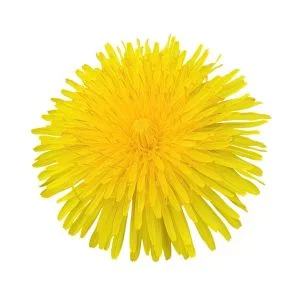
Related Ingredient
Dandelions add sunny floral bitterness, meadow honey notes, and gentle herbal depth to balanced homemade liqueurs.
View Dandelions →The Liqueur Alchemy Knowledge Hub brings together guides, tips, and practical explanations to help you master homemade liqueurs. Discover how ingredients, alcohol strength, sugar, and infusion time shape aroma, texture, and balance in your creations.
Discover the newest creations from Liqueur Alchemy — fresh flavours, seasonal infusions, and bold experiments straight from the pantry. Each recipe brings something unique, crafted to inspire your next homemade spirit.
This website uses cookies to ensure you get the best experience on our website. Read our Privacy Policy.