What mistakes cause apple liqueurs to develop cloudy or overly fermented notes?
Troubleshooting Common Homemade Liqueur Problems and Fixes
Direct Answer
Apple liqueurs become cloudy or overly fermented when fruit is over-crushed, too warm, poorly filtered, or not stabilized quickly in alcohol. Clean handling and gentle straining improve clarity and flavor.
Expanded Explanation
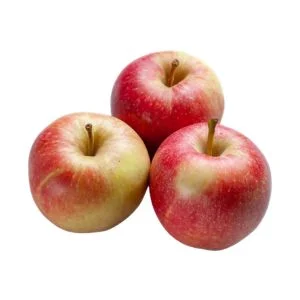
Cloudy or overly fermented notes in apple liqueur usually come from breakdown of the fruit, excess suspended solids, or handling that allows the natural sugars and juices to move in an uncontrolled direction before the alcohol fully stabilizes everything. Apples are delicate compared with harder botanicals, and once they are chopped or crushed they begin oxidizing and softening quickly. If the fruit is mashed too much, left too warm, or mixed into a spirit that is not strong enough to arrest activity effectively, the infusion can drift toward bruised, yeasty, or cider-like aromas. That may be interesting in some styles, but it is usually not the goal in a clean homemade liqueur.
Cloudiness often has simpler causes as well. Fine pulp, starch, pectin, skin particles, and dissolved fruit material can remain in suspension even after straining. Filtering too quickly, squeezing the fruit bag aggressively, or bottling before the liquid has settled can make the liqueur permanently hazy. Using damaged apples or fruit with soft spots also increases the chance of murky flavor and appearance. Seeds and core fragments may contribute bitterness, while overripe flesh can collapse into sludge that is difficult to clarify. In many cases the problem is not one single mistake, but several small ones that all push the infusion away from a clean profile.
To reduce these issues, use sound fruit, cut it neatly, avoid full mashing, and immerse it promptly in adequate alcohol. Keep the jar cool, clean, and tightly closed, and strain gently rather than pressing every last drop from the pulp. Let the liqueur settle before fine filtration, especially if the batch contains natural sediment. If sweetness is added, do so after the main fruit extraction is complete, not during a loose uncontrolled maceration phase. Apple liqueur should smell fresh, fruity, and mature, not fizzy, yeasty, or bruised. Most cloudy or fermented notes come from impatience, rough handling, or fruit that was allowed to degrade before the infusion was properly stabilized.