What are the most common mistakes when using red dragon fruit in homemade liqueur?
Troubleshooting Common Homemade Liqueur Problems and Fixes
Direct Answer
Common mistakes include expecting bold flavor, overusing the fruit, steeping too long, using poor-quality fruit, and failing to support red dragon fruit with stronger complementary ingredients.
Expanded Explanation
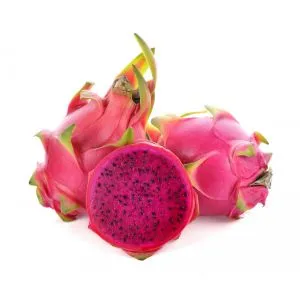
One of the most common mistakes is expecting red dragon fruit to behave like a strongly flavored berry. Many makers are impressed by its color and assume the taste will be equally intense, so they build a recipe around it as the sole flavor driver. The result can be visually beautiful but aromatically weak, leaving the finished liqueur feeling incomplete or underpowered.
Another mistake is using too much fruit or leaving it in the alcohol for too long. Because the fruit is high in water and low in intensity, excess quantity or steeping time can make the infusion feel soft, thin, or slightly tired instead of richer. Some people also fail to peel and trim it properly, or they use fruit that is underripe, bland, or starting to deteriorate, which reduces the quality of the extraction.
Poor recipe support is also a recurring issue. Red dragon fruit usually benefits from companions that add acidity, aroma, or structure, such as citrus peel, vanilla, berries, or selected florals. Clean preparation, moderate dosage, regular tasting, and realistic flavor expectations solve most problems before they start.