How does substituting black pepper or grains of paradise change the balance of a liqueur?
Using Herbs Spices and Botanicals in Liqueurs
Direct Answer
Black pepper makes a liqueur drier and more forceful, while grains of paradise keep more aromatic lift but lose some pink peppercorn softness.
Expanded Explanation
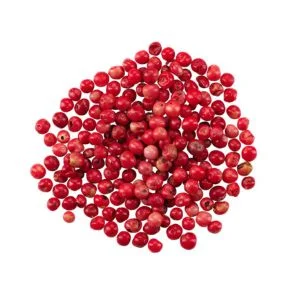
Substituting black pepper for pink peppercorns makes a liqueur bolder, drier, and more obviously spicy. Black pepper has more direct heat and more structural force, so it tends to push the drink toward firmness rather than elegance. In fruit liqueurs, that can be either useful or disruptive. It may help darker fruits, roots, or nut-based recipes feel more grounded, but in lighter fruit infusions it often reduces softness and can overshadow delicate aromas that pink peppercorns would h...
Grains of paradise change the balance differently. They usually keep more aromatic lift and brightness than black pepper, so they are closer in spirit to pink peppercorns even though the flavor is still distinct. A liqueur made with grains of paradise may feel livelier, drier, and a little more exotic, with a fine spicy movement through the palate. However, it generally has less of the rosy floral aspect and more of a dry aromatic energy. That means the final drink stays elegant, but the style becomes l...
In recipe terms, black pepper is a stronger structural substitution and grains of paradise are a better aromatic substitution. Black pepper makes the liqueur firmer and more assertive. Grains of paradise keep more lift and sophistication, but still reduce some of the softness that pink peppercorns provide. The right choice depends on whether the recipe needs heat, brightness, or fragrance most.