How do I prevent persimmon liqueur from turning bitter or tannic?
Ingredients and Sweeteners That Shape Liqueur Flavor
Direct Answer
Avoid persimmon bitterness by peeling/depitting, tasting early, straining on time, and balancing with staged sweetening and a small acid lift.
Expanded Explanation
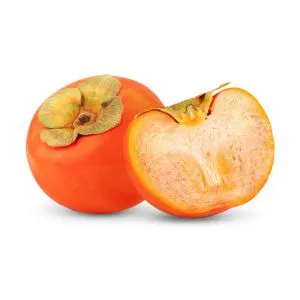
Bitterness usually comes from extended contact with skins, seeds, or underripe fruit. Peel if you’re unsure, remove seeds, and keep the pieces fairly large so you can strain quickly. Start tasting at day 4–5 and plan to pull the fruit between days 7–12 depending on intensity.
Sweeten only after straining, and do it in stages—persimmon can seem muted until you hit the right sugar level, then it blooms. If you overshoot bitterness, blend with a neutral base, add a touch more sweetness, and brighten with a small acid adjustment (citric/malic). A short rest (1–2 weeks) also helps tannins knit down.
Common mistakes include using high-heat syrup while fruit is still present, shaking hard (breaks skins), or using very high-proof spirit that drags more tannin. For storage, keep away from sunlight and oxygen; astringency can worsen with oxidation. Substitutions: dried persimmon gives less tannin and more caramel notes—use smaller doses and shorter time.