How does substituting green apple or red currant affect the balance of a rhubarb-style liqueur?
Ingredients and Sweeteners That Shape Liqueur Flavor
Direct Answer
Green apple makes a rhubarb-style liqueur softer and rounder, while red currant keeps more tart intensity and adds stronger fruit character. Both work, but each changes the balance in a different way.
Expanded Explanation
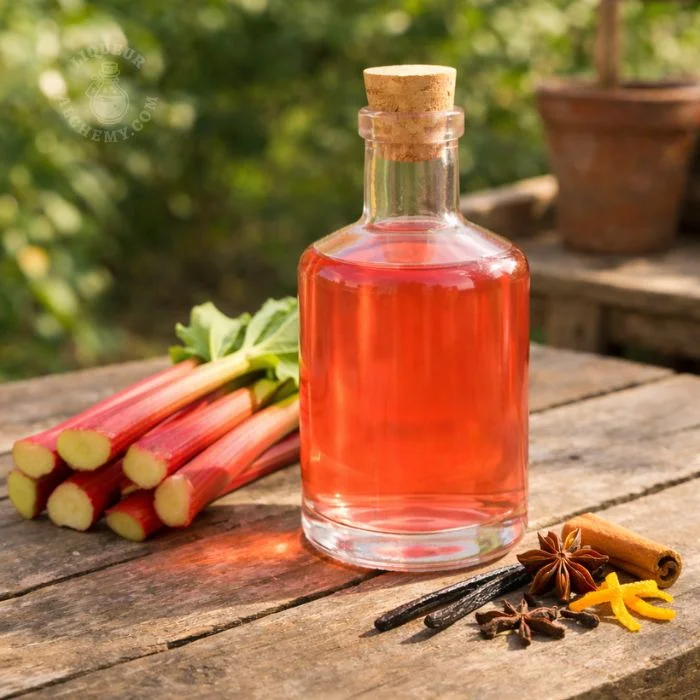
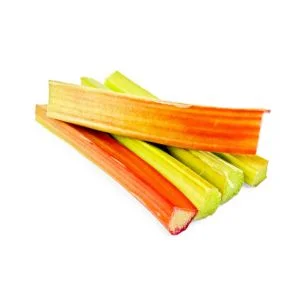
Substituting green apple for rhubarb usually creates a softer, rounder, and more approachable liqueur. Green apple gives clean acidity, but it often lacks rhubarb’s distinctive tangy-stalk character and does not produce the same sharp, linear freshness. The result is often smoother and more familiar, with a juicy orchard-fruit impression instead of rhubarb’s bright, slightly botanical edge. This can be very pleasant, especially if the recipe includes vanilla, ginger, or citrus, but it will usually feel gentler and less angular than the rhubarb original.
Red currant moves the balance in a different direction. It can preserve tartness more convincingly and often improves both aroma and color, giving the finished liqueur a more attractive ruby or pink tone. However, red currant is more obviously berry-like and can introduce a sharper, slightly seedy, sometimes faintly tannic fruit impression. Compared with rhubarb, it tends to make the drink feel more fruit-driven and less green-fresh. In some recipes that is an advantage, especially when the goal is bright acidity plus a stronger natural aroma.
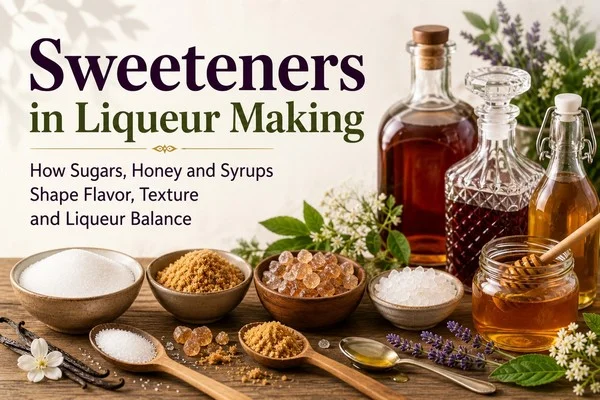
Between the two, green apple is the milder and cleaner substitute, while red currant is the livelier and more intense one. Apple is better when you want elegance, softness, and easy drinkability. Red currant is better when you want tart lift and a more pronounced flavor. Neither is identical to rhubarb, so balance should be rebuilt rather than copied exactly. Usually that means less sugar with apple if it is sweet, or slightly more sugar with red currant if its acidity and bite dominate the mid-palate.