Can I substitute roasted coffee for green coffee beans in a recipe, and what changes?
Ingredients and Sweeteners That Shape Liqueur Flavor
Direct Answer
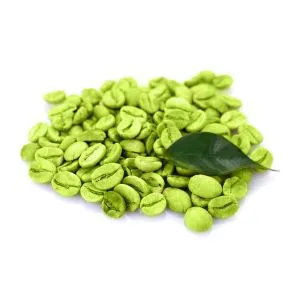
Roasted coffee is a workable substitute but is darker and more bitter. Use less, steep shorter, or add cold brew after straining for control.
Expanded Explanation
You can, but the profile shifts dramatically. Green coffee is herbal and nutty; roasted coffee brings chocolate, toast, and classic espresso aromatics. Roasted coffee also extracts faster and can turn bitter if you go too hot or too long, so you typically use shorter contact times or cold-steeped concentrates.
If substituting, reduce dosage and time: start around 5–10 g whole roasted beans per liter for 6–24 hours, tasting frequently. Alternatively, add a measured amount of cold brew concentrate after you strain the base infusion—this gives control and avoids over-extraction. Sweetness usually needs to be higher with roasted coffee because roast bitterness reads sharper.
Common mistakes: using ground coffee (sediment), hot brewing into alcohol (stale bitterness), and pairing with heavy spices that bury nuance. For storage, coffee liqueurs improve after 1–2 weeks of rest, but keep them away from light and heat to preserve aroma.