Can over-infusing papaya create vegetal or unpleasant flavors?
Troubleshooting Common Homemade Liqueur Problems and Fixes
Direct Answer
Over-infusing papaya can produce dull or vegetal notes as soft fruit breaks down and fresh aromas fade. Regular tasting and timely straining help preserve a clean tropical character.
Expanded Explanation
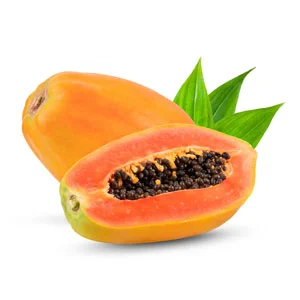
Yes. Papaya can develop dull, vegetal or slightly stale qualities when its soft flesh remains in alcohol substantially longer than needed. The desirable early extraction emphasizes mellow tropical fruit, melon, gentle floral musk and rounded sweetness. Once those characteristics have been extracted, continued maceration may pull less attractive compounds from deteriorating fruit tissue while the brighter aromas gradually lose definition. The result can taste heavier rather than more intensely fruity.
The risk depends on fruit ripeness, temperature, alcohol strength, piece size and the condition of the papaya. Very soft fruit breaks down quickly and can create more suspended material, while finely chopped or mashed papaya has a large surface area and extracts rapidly. Use medium chunks and keep the sealed container in a cool, dark place. Begin tasting after the first several days and continue at regular intervals so changes are detected before the flavor becomes noticeably flat.
If the papaya character is already strong enough, strain immediately rather than waiting for a planned calendar date. Fine filtration can remove pulp, but it cannot completely reverse unwanted flavors already extracted into the alcohol. If a strained infusion lacks intensity, a short second infusion with fresh ripe papaya is generally more controllable than leaving exhausted fruit in the spirit for many additional weeks. Freshness and balance are better targets than maximum maceration time.