What can replace honey without losing a silky cherry finish?
Honey adds a soft, velvety texture and rounds sharp edges in fruit liqueurs. If you replace it with plain sugar syrup, the sweetness may feel “flatter” and the finish can seem thinner. The aim is to replace both sweetness and mouthfeel.
A neutral invert syrup (or a lightly inverted syrup made by warming sugar with a tiny splash of lemon) mimics honey’s smoothness without adding floral notes. You can also blend sugars: mostly white sugar for clean sweetness plus a small portion of cane sugar for warmth. Avoid dark sugars here if you want cherry to stay bright.
After the swap, let it rest. Texture often improves as the liqueur settles and integrates. If it still feels sharp, add sweetness in tiny steps and taste chilled; cold tasting is more honest and prevents over-sweetening.
Why can a cherry liqueur taste like almond or slightly bitter, and how do you fix it?
That almond-like edge often comes from cherry pits or crushed stone-fruit material, which can release bitter/benzaldehyde notes. Even without pits, spice extraction (especially clove/cinnamon) can create a similar impression by adding dryness and “kernel-like” warmth.
To prevent it, avoid crushing fruit too aggressively and keep straining clean. If the note is already present, first remove all solids and let it rest—time reduces sharpness. Then taste chilled and decide whether the note is pleasant “marzipan” or an unwanted bitterness.
If it’s too bitter, dilution is the cleanest correction. A small addition of vodka can lift the fruit and reduce harshness. Sweeten only after you’ve corrected extraction issues; adding more sugar too early can lock in an unbalanced, syrupy profile.
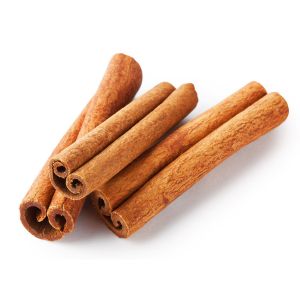
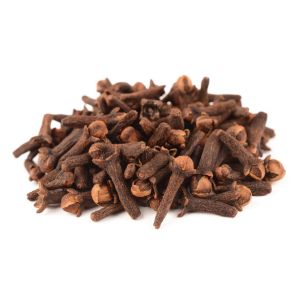
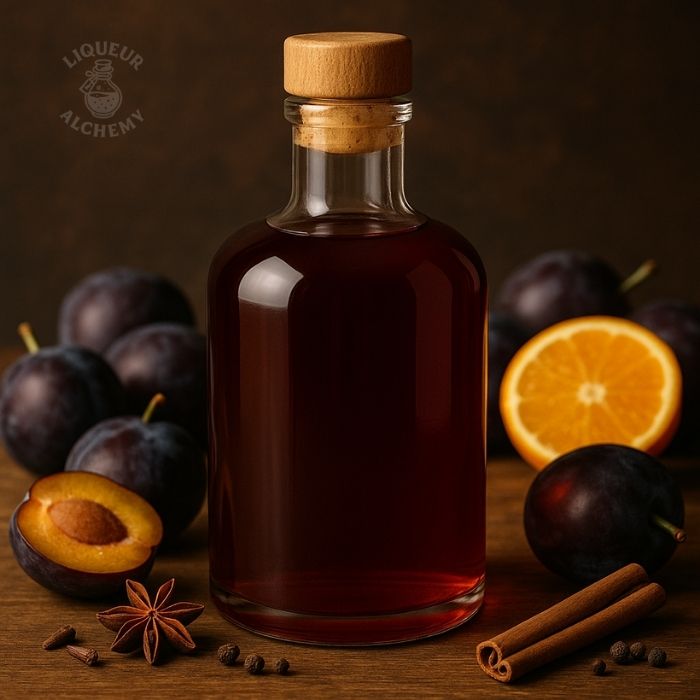
When should you remove star anise, cinnamon, cloves, and pepper so cherry stays juicy?
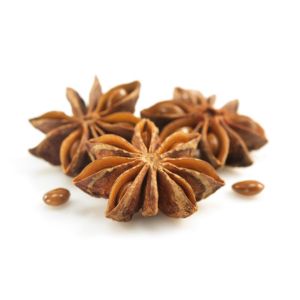
Cherry is fragrant but can get buried under “holiday spice” quickly. Star anise and cloves are the biggest bullies; cinnamon can turn woody; pepper can become dry and sharp. If you smell licorice or clove oil clearly, you’re already close to the limit.
Use staggered removal. Pull cloves first as soon as the aroma turns warm and slightly numbing. Pull star anise once licorice is noticeable, not when it dominates. Cinnamon can stay a bit longer for warmth, but remove it if the finish dries out. Pepper is last—keep it subtle and remove at the first papery bite.
If the spice got too strong, rest the liqueur and chill-taste again before changing sugar. Sweetness increases perceived spice, so fix timing first, then sweeten slowly, and consider a small dilution to give cherry more room.