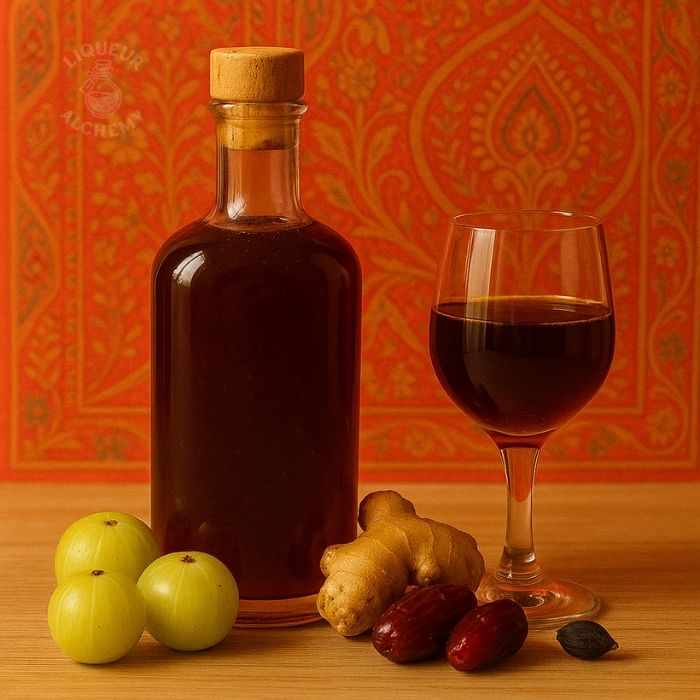
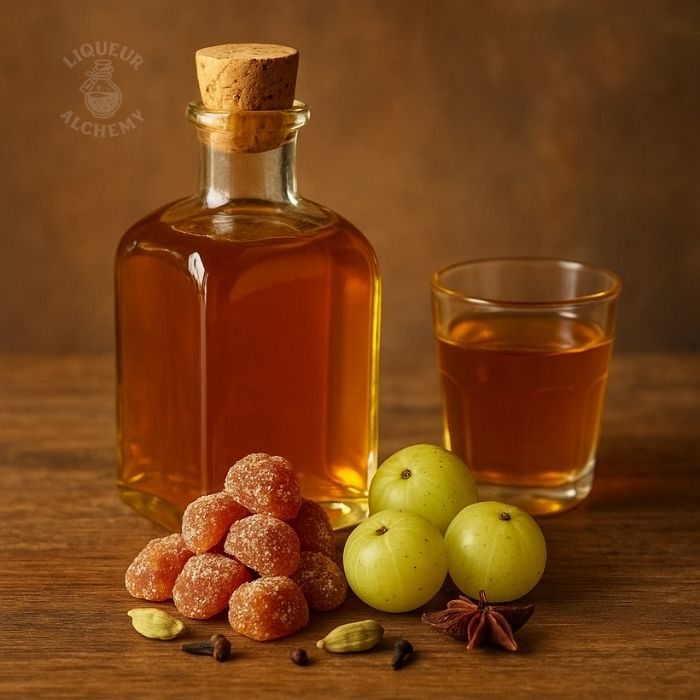
How do you balance amla’s sour, astringent bite with dates and sweeteners without making it sticky-sour?
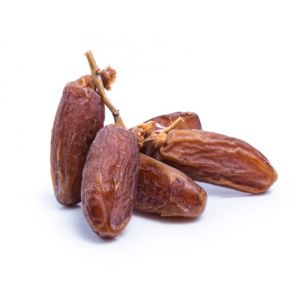
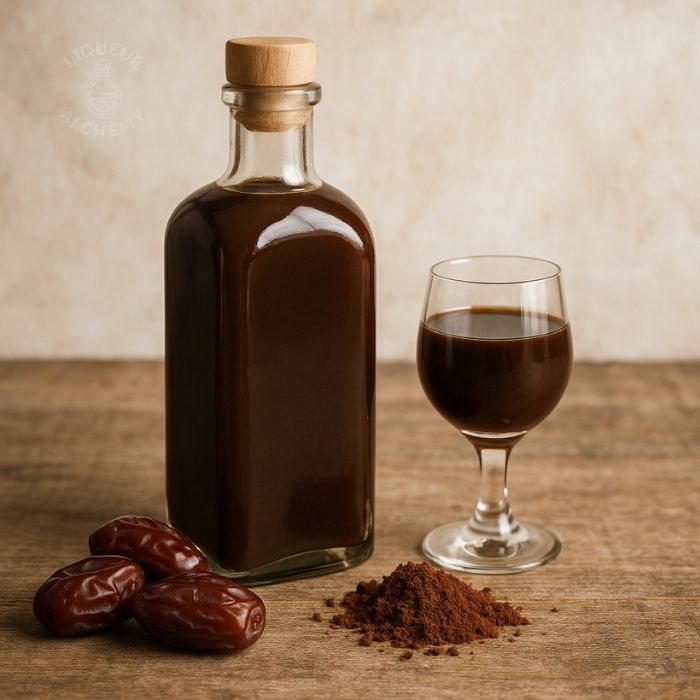
Amla is both highly tart and naturally astringent, which means it can feel mouth-puckering even when sweetness is present. Dates add caramel-like body and softness, white sugar provides clean sweetness, and honey contributes viscosity and roundness. If sweetness becomes too dense, however, the acidity can feel sharper instead of softer, resulting in a sticky-sour sensation rather than a refreshing tang.
Taste the liqueur well chilled and correct balance in the proper order. If the bite feels aggressive, start with a small dilution to lower acidity concentration and allow aromas to open. Only after dilution should sweetness be adjusted, and always in small increments. Dates should be used to round the profile, not to increase perceived sweetness.
After final adjustments, allow the liqueur to rest. Time helps integrate acidity, sweetness, and alcohol heat, smoothing the astringent grip of amla. Avoid chasing balance with excess sugar, as resting will often resolve sharpness naturally.
Can you use only fresh amla or only candied amla, and how should sweetness change?
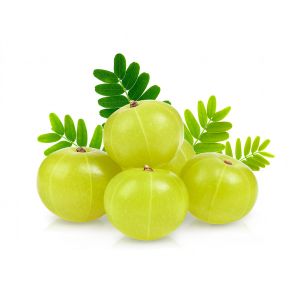
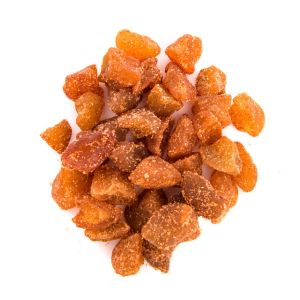
Fresh amla brings sharp acidity and astringency with a clean, herbal fruit note. Candied amla brings sweetness and a more confection-like profile, often with softer acidity. Using only one changes both your acid load and your sweetener needs.
If you use only fresh amla, expect a brighter, more challenging sour profile and plan for slightly higher sweetening and longer rest time. If you use only candied amla, reduce added sugar and honey because the candy already contributes sweetness; otherwise it can become cloying and bury the rum aroma.
Whichever route you choose, taste chilled and make adjustments gradually. A small dilution is often a better fix than “more sugar” when acidity feels harsh, because it lowers concentration and lets the aromatics breathe.
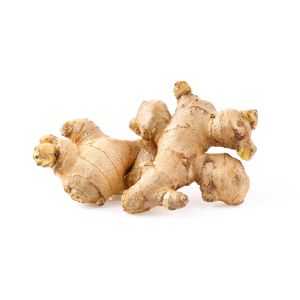
When should you remove ginger, cinnamon, and black cardamom so they don’t smother amla’s brightness?
Ginger extracts fast and can become sharp heat. Cinnamon can turn woody, and black cardamom adds smoky intensity that can quickly dominate. With amla’s bright tartness, you want spice as a supporting glow, not a mulled wall.
Remove ginger when it tastes warm and lively, before it becomes burning. Remove black cardamom early once you get a gentle smoky aroma—before medicinal notes appear. Remove cinnamon at soft warmth, before barkiness. If the spice gets too loud, strain immediately and give it time; the rum base will mellow and integrate.
If you want more spice later, do a short second infusion rather than leaving spices in too long. Controlled re-infusions are safer than over-extraction in the first run.