How do you balance lemon zest and juice with raspberry and honey without making it sharp?
Lemon juice adds acidity; zest adds bright perfume. Raspberry is already tangy, and honey adds body that can either smooth acidity or mute aroma if too heavy. Sharpness often happens when acidity is high and density is high—your palate reads it as “sticky sour.”
Use pith-free zest and remove it once the aroma is bright, not bitter. Sweeten gradually and taste chilled. If it’s sharp, try a small dilution before adding more honey; dilution lowers density and often makes acidity feel softer.
If it tastes dull rather than sharp, lift aroma (brief zest contact) rather than adding more juice. Resting helps too: citrus, honey, and berry integrate and lose their “edges” after a couple of weeks.
Why does raspberry liqueur turn hazy after sweetening, and how do you clarify it?
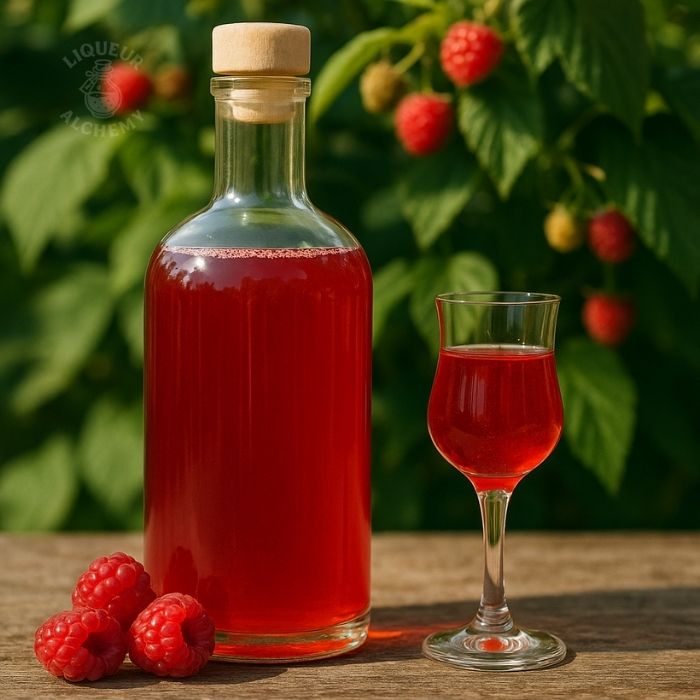
Raspberry haze usually comes from fine fruit particles and pectin. After you add sugar or honey, viscosity increases and suspended particles become more visible. It’s common and usually not a problem if aroma is clean and there are no fermentation signs.
Let it settle undisturbed, then rack the clear portion off sediment. Filter in stages: coarse strain first, then fine filtration once most solids drop. A short cold rest can help particles fall out faster, but don’t push thick syrup through tiny filters too early.
Avoid shaking once clarified—shaking re-suspends fines. If you still get a light haze when chilled, it may simply be normal pectin/oil haze; the flavor can still be excellent.
When should you remove mint so raspberry stays bright, not toothpastey?
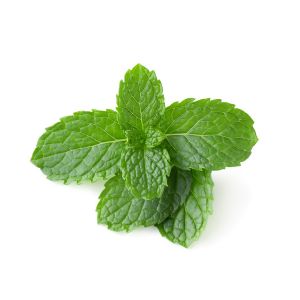
Mint extracts fast in alcohol. A little gives a fresh lift that makes raspberry sparkle, but long contact turns sharp, green, and “mouthwash-like.” Because this liqueur relies on delicate aroma, mint timing is everything.
Remove mint as soon as you smell a clear cooling note that’s noticeable but not dominant. If you’re unsure, pull it early—you can always add a short second mint touch later. Leaving mint in “just in case” is usually what causes the toothpaste problem.
If it’s already over-minty, strain immediately and rest. Serving colder helps. A small dilution can soften the green edge, and time will calm the bite. Avoid adding lots of extra sugar; it can make mint feel even more like candy.