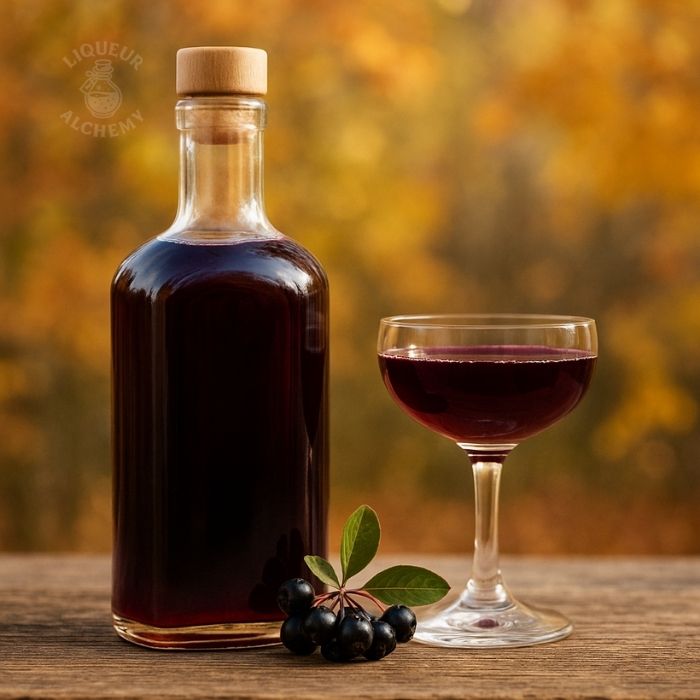
How do you balance aronia’s tannins with muscovado and honey without making it bitter-sweet?
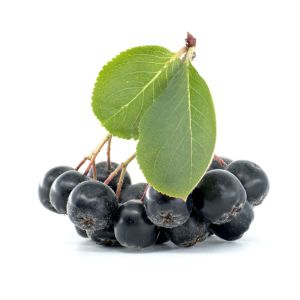
Aronia’s tannin can read as bitterness if sweetness is too high or too heavy. Muscovado adds deep molasses notes and honey adds thickness; together they can make tannin feel like “sticky bitterness” rather than dry structure. The goal is a smooth purple richness with a clean finish.
Taste chilled and use dilution first if it feels dense. Lowering density can make tannin feel less aggressive and bring aroma forward. Keep muscovado as a background bass and build main sweetness with white sugar for cleaner lift. Honey should be used mostly for texture.
Give it time. Aronia improves dramatically with rest, and what tastes harsh after two weeks can become velvety after a month. Make final sweetness adjustments only after resting, and keep changes small.
Why can aronia liqueur feel astringent even when sweet, and how do you soften it?
Astringency is not the same as “not sweet enough.” It is a drying, mouth-puckering sensation from tannins binding to saliva. Aronia is naturally tannic, and long extraction or over-crushing fruit can make it stronger. Adding more sugar can sometimes make astringency feel worse by creating a sticky, bitter-sweet effect.
To soften it, start with time: resting is the best tool because tannins integrate and round out. Next, try a small dilution to reduce tannin concentration and lift aroma. Fine filtration can also remove tiny tannin-rich particles that contribute to harshness.
If it is still aggressive, consider blending in a small portion of a smoother batch or adding a tiny amount of glycerin-like body (more honey or invert syrup) very carefully. Keep adjustments tiny and taste chilled.
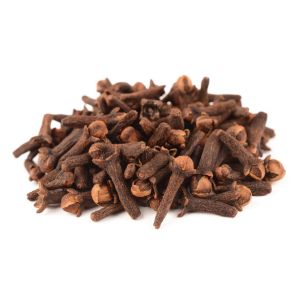
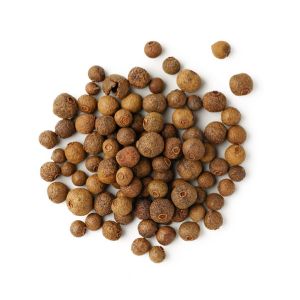
When should you remove ginger, cloves, allspice, and star anise so aronia doesn’t turn harsh?
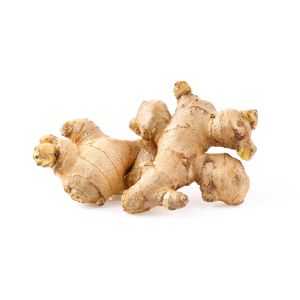
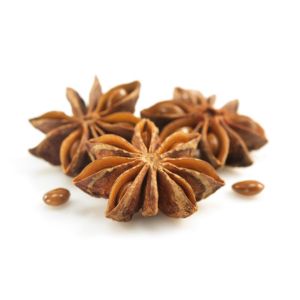
Aronia (chokeberry) brings strong tannin and a drying “wine grip.” Your spice set adds even more intensity, so timing is crucial. Cloves can become numbing and medicinal, star anise can dominate, allspice can push a heavy mulled profile, and ginger can turn hot and sharp.
Use staged removal. Pull cloves first as soon as you smell warm clove oil. Pull star anise once licorice is clear on the nose. Allspice should be removed when it gives rounded warmth, before it starts tasting like spiced tea. Ginger can stay briefly for warmth, but remove it if it becomes peppery-hot.
If the finish is harsh or drying, strain everything out and rest. Aronia tannins soften over time, and a small dilution can make the drink feel smoother and more aromatic. Avoid fixing harshness by adding lots more sugar; it can create sticky bitterness rather than balance.