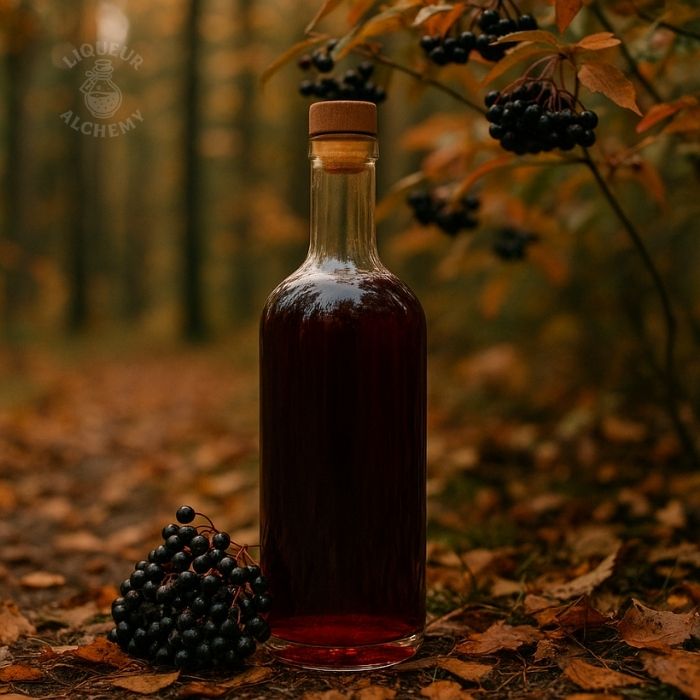
Octoberry


Moonshine dark berry mix with autumn forest mood

Born from the heart of autumn, Octoberry captures the spirit of crisp evenings and golden sunsets. Crafted with chokeberries, blueberries, and elderberries—the jewels of October—it radiates deep color and woodland aroma. The moonshine base gives it rustic strength, while honey and cinnamon weave in warmth and comfort. Each sip recalls berry-laden paths and the quiet hum of harvest time. Octoberry is both bold and soothing—a toast to the turning leaves, the last light of day, and the sweetness of nature’s farewell to summer.


Octoberry – Liqueur Alchemy

Ingredients

  • Moonshine – 700ml
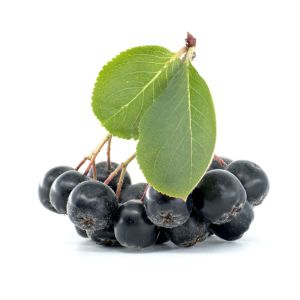
  • Chokeberry - 150g
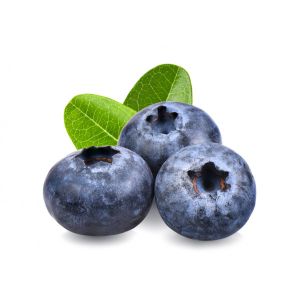
  • Blueberries - 300g
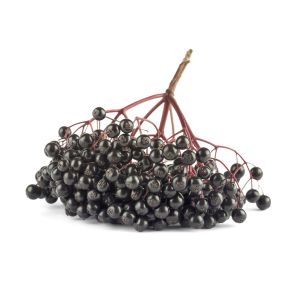
  • Elderberries - 300g
  • Cane Sugar – 100g
  • White Sugar - 50g
  • Honey - 100g
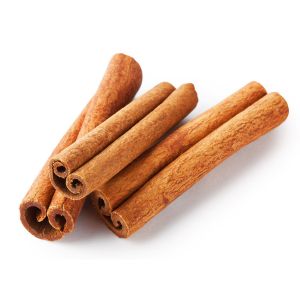
  • Cinnamon – ½ stick
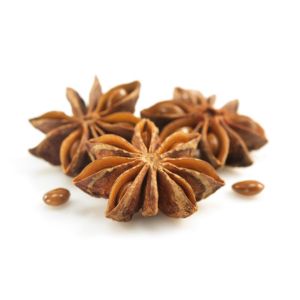
  • Staranise – 1 star

Preparation

  1. Rinse all berries thoroughly, remove any stems or leaves, and gently pat dry.
  2. Lightly crush the chokeberries, blueberries, and elderberries to release their juices without mashing them.
  3. Place the prepared fruits in a clean, sterilized 1.5 L glass jar.
  4. Add the cinnamon stick, star anise, honey, cane sugar, and white sugar over the fruit.
  5. Pour moonshine over the mixture, ensuring all fruit is fully covered and submerged.
  6. Seal the jar tightly, label it with the date, and store in a cool, dark place away from sunlight.
  7. Shake gently every few days during the first week to help the sugar dissolve and flavors blend.
  8. Let the infusion rest for 5–6 weeks, tasting occasionally to adjust sweetness or depth.
  9. Strain through a fine cloth, bottle the clear liquid, and let it settle for at least 7 days before serving.
Download

Who is "Octoberry" Liqueur for?

For dark-berry lovers who enjoy inky color, tannic structure, and cozy spice—bold, autumnal, and a little wild. Perfect for slow sippers, fireside moods, and anyone who likes deep fruit with a warm cinnamon-anise glow. A confident pour for adventurous palates.

"Octoberry" Liqueur Serving Suggestions

Serve chilled in a small rocks or cordial glass, neat for intensity or over one clear ice cube for a softer finish. Best after dinner. Let it sit a minute so elderberry perfume opens. A thin orange peel twist works beautifully, but keep it subtle.

Octoberry Liqueur FAQ


When should you remove star anise and cinnamon so they don’t mute a three-berry blend?

With dark berries, spice can be gorgeous—but star anise is a bully, and cinnamon can turn woody. If star anise becomes obvious, it starts steering the drink toward licorice syrup. If cinnamon sits too long, it adds dryness that stacks with chokeberry tannin.

Pull star anise as soon as licorice is clearly present on the nose but still background. Pull cinnamon when it reads like soft warmth, not bark. If you want stronger spice later, it’s safer to do a short second infusion than to over-extract early.

If you overshoot, don’t panic-sweeten. First strain, rest, and taste chilled. A small dilution often brings berry perfume back and softens the spice edge without turning it into syrup.

How do you balance three sweeteners so dark berries stay bold, not syrupy?

White sugar gives clean sweetness, cane sugar adds warm depth, and honey adds silky body. In a dark berry liqueur, too much total sweetness can flatten aroma and make the drink feel heavy. The ideal is “rich” with a clean berry finish—not sticky.

Sweeten gradually and taste chilled. If it starts feeling thick, try a small dilution first; lowering density often brings berry perfume back immediately. Then fine-tune sweetness in small steps rather than a big correction.

Give it resting time before final adjustments. Tannins soften, spice calms, and honey integrates. Many “too sweet” dark berry batches become more balanced after a couple of weeks, especially when served cold in small pours.

What can replace elderberries or chokeberries without losing that dark-berry depth?

Elderberries bring inky color and a deep, winey berry note. Chokeberries add tannic structure and a dry “red-wine grip.” If you replace either, you’re replacing both flavor and texture. The goal is a dark, autumnal berry profile that doesn’t taste thin.

If elderberries are unavailable, blackcurrant or blackberry can mimic the dark aroma. If chokeberries are unavailable, dried aronia, a small amount of grape skin/juice concentrate, or even a touch of strong black tea (very small) can add that tannin grip. Keep doses tiny so it doesn’t taste “tea.”

After substitutions, give it time. Dark berries and tannins mellow with resting, and the spice-and-sweetener blend integrates after a couple of weeks. Taste chilled before adjusting sweetness—cold tasting reveals whether berry perfume is returning.

RALETED RECIPES OF LIQUEUR ALCHEMY


Explore more creations from Liqueur Alchemy that share similar flavours, techniques, or ingredients. These related recipes offer fresh ideas and inspired combinations to help you craft your next bold, homemade spirit.