When should you remove orange zest and warm spices so they don’t turn medicinal or bitter?
Orange zest is powerful, and spices like clove, allspice, star anise, and pepper build intensity quickly. In a dried-fruit base, those notes can easily tip from “festive” into “cough syrup” or bitter marmalade—especially if pith is present or spices are left too long.
Use staged removal. Pull cloves first at the moment the aroma turns warm and slightly numbing (before any dentist-note). Pull star anise as soon as licorice is clearly present. Allspice can stay for a rounded warmth but remove it if it starts tasting like clove-cinnamon concentrate. Pepper should be subtle; remove it at the first sign of papery dryness.
For zest, use pith-free strips only and remove when the aroma is bright and fresh, not marmalade-bitter. If it’s already over-spiced, strain immediately, rest, and correct with slight dilution rather than dumping in more sugar.
How do you balance a high honey level with citrus juice so the finish isn’t sticky or dull?
High honey brings beautiful softness, but it also increases viscosity and can mute citrus perfume. When the drink feels sticky or “flat,” the problem is usually density, not just sweetness. Citrus juice adds brightness, yet if the honey is heavy, acidity can read sharp instead of refreshing.
Taste chilled and start with dilution as your first lever: a small addition of vodka (or a tiny splash of water) lowers density and often brings orange/mandarine aroma back immediately. Then re-check sweetness and acidity. If it becomes too sharp, add sweetness in tiny steps. If it becomes too dull, lift aroma with a short zest contact (pith-free) rather than more juice.
Give it time. Honey-citrus blends often taste disjointed right after sweetening and become smoother after a couple of weeks. Resting also helps spice integrate and reduces the “honey wall” effect.
How do you substitute dried fruits in a mixed-fruit liqueur without losing depth?
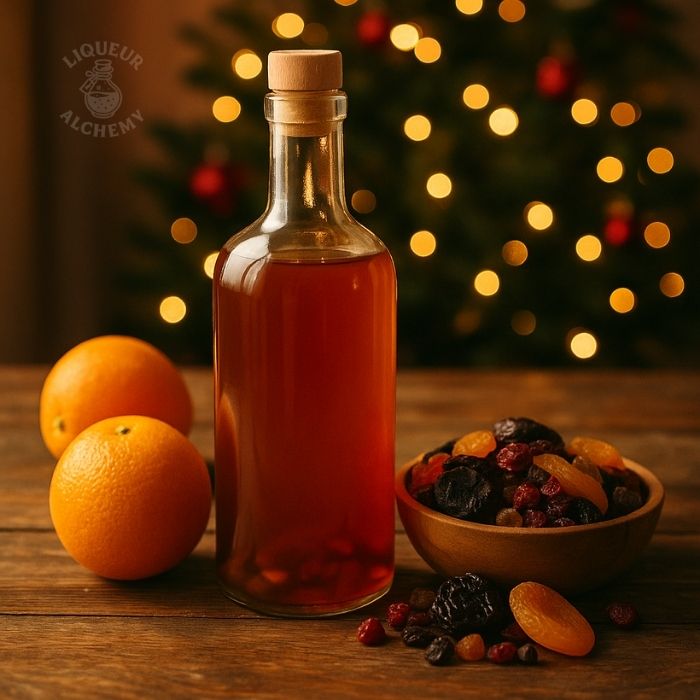
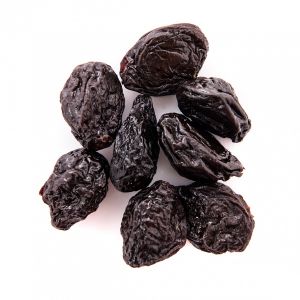
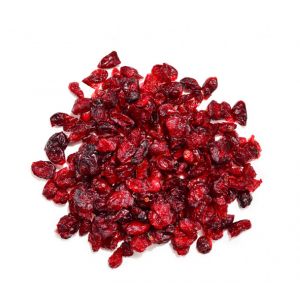
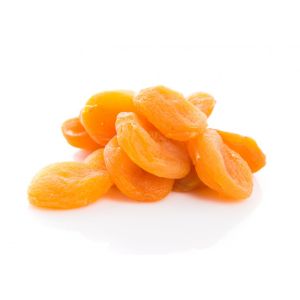
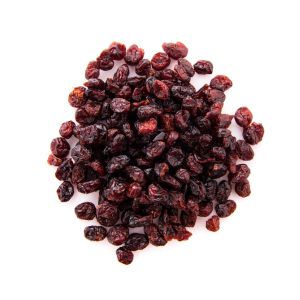
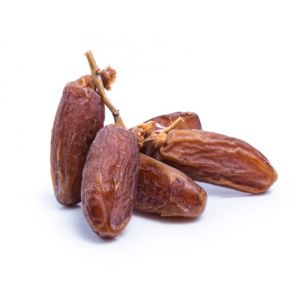
Dried plums, cranberries, apricots, raisins, and dates each bring a different kind of sweetness: prune gives dark richness, cranberry gives tart pop, apricot gives honeyed fruit, raisins add roundness, and dates add thick caramel body. If you replace one, you’re replacing a role, not just a fruit.
If you’re missing prunes, use dried figs or extra dates for depth. If you’re missing cranberries, use sour cherries or a small amount of hibiscus for tang and color. If you’re missing apricots, use dried peaches or pear chips. Keep total dried fruit weight similar, and avoid very sugary candied fruit unless you want a candy profile.
After substitution, taste chilled before final sweetening. If it feels too heavy, dilute slightly; if it feels too sharp, add sweetness in small steps. Resting helps dried-fruit blends become smoother and more unified.