Why did my liqueur turn cloudy after adding white sugar?
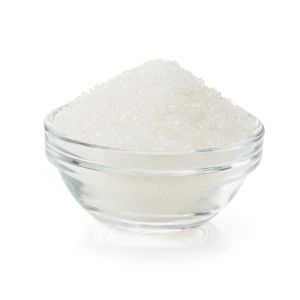
Cloudiness after adding white sugar usually comes from tiny undissolved crystals, rapid chilling (which can “shock” dissolved solids out of solution), or oils/plant waxes that become more visible once sweetness increases. If you poured dry sugar into high-proof spirit and only shook briefly, it can look clear at first and then haze as crystals slowly dissolve and re-form micro-particles.
Fix it by making a simple syrup (1:1 by weight) and adding it cooled, in small increments, with gentle stirring. If haze persists, let the bottle rest 3–7 days, then fine-filter (coffee filter) or cold-crash in the fridge overnight and filter again.
Common mistake: sweetening before you’ve removed bitter pith/zest or before a rest period. Do your extraction first, strain, rest a few days, then sweeten gradually—this keeps both clarity and flavor more predictable.
How much white sugar should I use per 1 liter of liqueur for balanced sweetness?
A reliable starting range is 120–220 g sugar per finished liter for “classic liqueur” sweetness, depending on how intense and bitter your infusion is. Bright fruits and florals often feel balanced nearer the lower end, while bitter peels, spices, coffee, and cacao can handle the higher end.
Best practice: sweeten in steps. Add 60–80% of your target amount first (preferably as syrup), rest 48 hours, taste again, then fine-tune in 10–20 g steps. Your palate changes after resting, and harsh notes often soften—so rushing to “fix” bitterness with sugar can overshoot.
Common mistake: measuring by cups/spoons. Weigh your sugar. Record grams per liter and your infusion time—those two notes make your next batch instantly better.
Can I substitute white sugar with cane sugar or brown sugar without ruining the flavor?
Yes, but expect a flavor shift. White sugar is neutral: it boosts sweetness and mouthfeel without adding aroma. Cane sugar can add a light caramel/rum-like note, while brown sugar brings molasses tones that can dominate delicate infusions.
Substitution rule: swap gram-for-gram for sweetness, then taste after 24–48 hours. If you switch to brown sugar, start with 20–30% less than your normal white-sugar amount and adjust upward slowly—molasses can make a liqueur feel “heavier” even at the same sugar level.
Common mistake: swapping sugars late and assuming nothing else changes. Different sugars also affect perceived bitterness and spice heat, so do a small test (100 ml) before committing the whole batch.