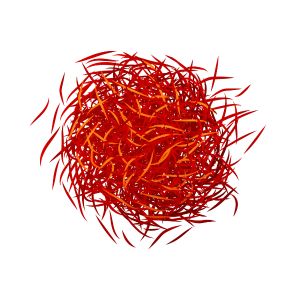
Saffron

Saffron for Liqueur Infusions – Aroma, Color, Use & Pairings

Saffron brings a distinctive floral-honey fragrance, gentle earthiness, and a radiant golden color that instantly makes liqueurs feel premium. In small amounts it lifts citrus, stone fruits, and creamy desserts, adding depth without heaviness. Because it is powerful and expensive, infuse lightly and taste often—too much can become medicinal or bitter. Best in vodka, light rum, or brandy, especially with honey, vanilla, cardamom, and orange peel.

Saffron

Saffron Flavor Profile

Floral-honey aroma, warm hay-like notes, gentle earthiness, subtle bitterness, intense golden color.
Saffron Impact on Liqueurs

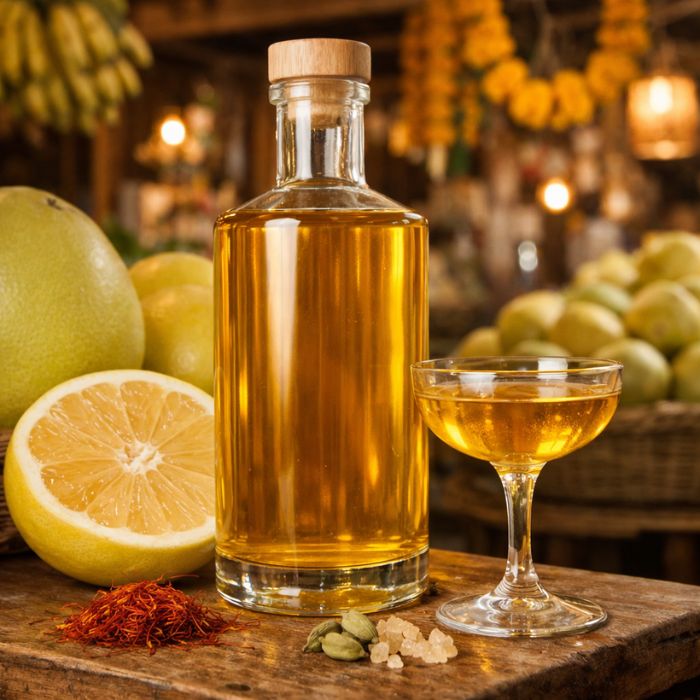
Adds premium perfume and golden warmth, enhancing fruit and cream liqueurs while keeping the finish elegant.

How to Use Saffron?

Use 10–25 threads per 1 L; pre-soak in 30–50 ml warm (not boiling) spirit 20–30 min, then add. Infuse 1–5 days.

Saffron Pairing Suggestions

Orange peel, vanilla, cardamom, honey, almond, apricot, mango, rose, pistachio-style notes.

Saffron FAQ


Why does saffron sometimes taste medicinal or metallic in infusions?

Medicinal/metallic saffron usually means overdosing, low-quality saffron, or long steeping that emphasizes harsher notes. Strain immediately and blend down with unspiced base. Sweetness can soften edges, but it won’t fully hide an overdose.

Prevention: buy good saffron, measure by weight if possible, and extract gently (shorter times, lower dose). Blooming a small concentrate first is the easiest way to avoid ruin.

Common mistakes include adding saffron plus strong botanicals like clove and leaving everything too long. Flavor impact should be elegant and airy. Store saffron airtight, dark, and dry—old saffron goes flat and can taste dusty.

What flavors pair best with saffron in homemade liqueurs?

Saffron pairs beautifully with honey, vanilla, citrus zest (orange/lemon), almond, and warm dairy or dessert profiles. It also works with stone fruits and mango if kept delicate. Avoid overpowering spice blends; saffron is a top-note, not a base.

Timing: build your main infusion first, strain, then add saffron as a final micro-dose (hours to 1–2 days). This preserves clarity and prevents saffron from getting lost.

Common mistakes include adding saffron early with heavy spices and then oversweetening. Flavor impact should be perfumed and golden. Store cool and dark; saffron-forward bottles are best enjoyed within a year for peak aroma.

How much saffron should I use in liqueur (and how long should it steep)?

Saffron is extremely potent, so start small. Use 0.05–0.2 g per liter (a small pinch) at 40–50% ABV. Lightly crush threads, then steep while tasting—color develops quickly, often within 2–12 hours, and aroma can be ready within 6–48 hours.

For precision, bloom saffron first in a tiny amount of warm (not hot) syrup or high-proof alcohol, then add that concentrate to your batch. This avoids uneven extraction and lets you stop when aroma is perfect.

Common mistakes include using too much (medicinal), steeping for weeks, and combining with heavy spices that bury saffron. Flavor impact should be honeyed floral and warm hay-like notes with golden color. Store cool and dark; saffron aroma is light-sensitive.

RELATED RECIPES OF LIQUEUR ALCHEMY


Explore more creations from Liqueur Alchemy that share similar flavours, techniques, or ingredients. These related recipes offer fresh ideas and inspired combinations to help you craft your next bold, homemade spirit.