When should I add rock sugar during liqueur making for the best extraction?
Rock sugar is best added after your main extraction is done and solids are strained, unless you specifically want to slow extraction. High sugar concentration can reduce the rate at which alcohol pulls certain compounds from fruit and botanicals (it changes the solvent “feel” and water activity).
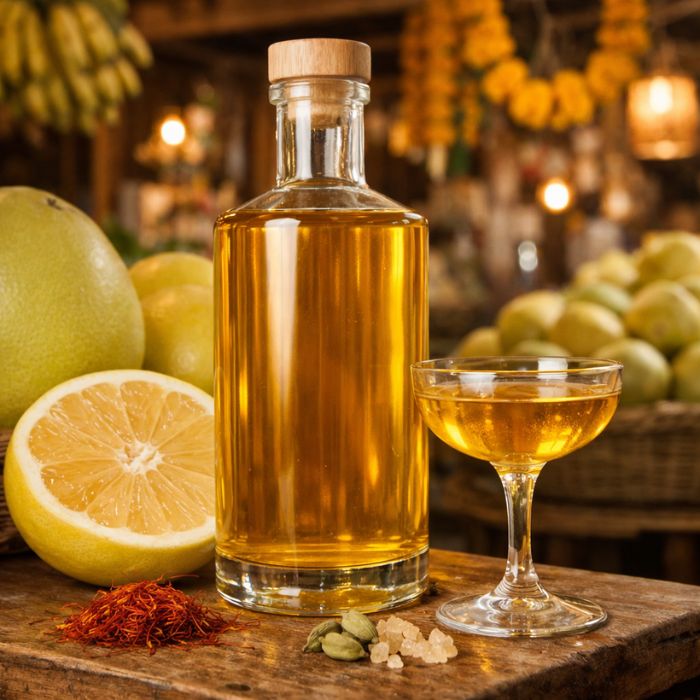
A clean workflow: macerate in spirit first → strain → rest 1–3 days → sweeten with rock sugar syrup (or crushed rock sugar) → rest again before bottling. This gives you more control over flavor intensity and sweetness.
Common mistake: dumping rock sugar in at day 1 and expecting the same extraction timeline as an unsweetened infusion. If you sweeten early, plan on longer maceration and more frequent tasting.
How can I make rock sugar dissolve faster in high-proof alcohol?
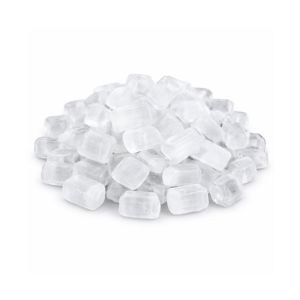
In high-proof alcohol, rock sugar dissolves slowly because there’s less water available to carry the sugar into solution. The bigger the crystals, the slower it goes.
Speed it up by crushing the sugar, or by dissolving it first in a small amount of hot water to make a concentrated syrup, then cooling fully before adding. Another trick is to warm the jar gently in a water bath (never direct heat) and swirl—keep it mild, just warm-to-touch.
Common mistake: heating alcohol directly on a stove. That’s a fire risk and can push off aromatics. If you need warmth, warm the syrup separately or use a safe water bath.
Can I substitute rock sugar with mishri sugar or white sugar in the same recipe?
Yes. Rock sugar and mishri are both large-crystal sugars, so they behave similarly; white sugar dissolves faster and tastes more immediate. Sweetness level is broadly comparable gram-for-gram because they’re mostly sucrose.
If you swap to white sugar, your sweetness will integrate quicker, so do smaller incremental additions and taste sooner. If you swap to mishri/rock sugar from white, expect a delay—so don’t keep adding on day 1.
Common mistake: swapping sugars without adjusting timing. The chemistry of sweetness is similar, but the “when does it taste right?” timeline changes a lot.