How much muscovado sugar should I use per liter without overpowering the infusion?
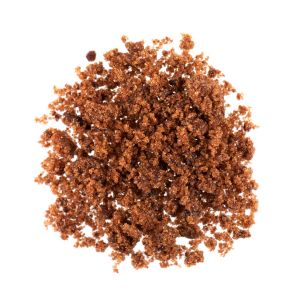
Muscovado is potent. A safe starting point is 80–160 g per finished liter if it’s the only sweetener, or use it as 20–50% of your total sugar blend. The darker and more bitter your infusion (coffee, cacao, peels), the more muscovado it can handle.
Sweeten in steps and rest at least 48 hours between adjustments. Muscovado’s aroma blooms with time, so what tastes balanced on day one can feel heavy a few days later.
Common mistake: treating muscovado like neutral sugar. It’s a flavor ingredient. Use it deliberately, record the grams, and you’ll be able to dial in your “signature molasses note” batch to batch.
What flavors pair best with muscovado sugar in liqueurs?
Muscovado loves anything warm, roasted, or dark: vanilla, cinnamon, clove, coffee, cacao, banana, pineapple (especially smoked/roasted), and aged spirits. It can add an “almost rum” vibe even in vodka-based liqueurs.
It can clash with delicate flowers and very bright citrus if used heavily. For lighter profiles, use a small dose just to add depth (like seasoning), and keep the rest of sweetness neutral.
Common mistake: using muscovado to “fix” thin body. It adds body, yes—but also a strong aroma. If you only want texture, consider a touch of simple syrup plus longer resting instead.
Why do I get sediment or haze after adding muscovado sugar?
Muscovado contains more natural solids and molasses components than refined sugars, so a little sediment isn’t unusual. In high-proof alcohol, some of those components can fall out as fine particles.
Fix: dissolve muscovado in warm water first, strain the syrup if needed, cool fully, then add. After sweetening, let the liqueur rest a week and filter through a coffee filter if clarity matters.
Common mistake: expecting crystal-clear results with rustic sugars. If you want clarity, keep muscovado as a smaller percentage of the blend, or accept a “craft cloudy” look as part of the style.