When should I add mace during infusion—at the start or near the end?
Add mace near the end, or infuse it separately and blend. Fruit and botanicals often need days; mace often needs hours to a couple of days. Keeping it late gives you control and reduces the risk of it dominating.
A reliable approach is two-step: first extract your main ingredient, strain, then add mace for 12–48 hours with frequent tasting. If you’re building a complex spice profile, add mace last because it sits high in the aroma and can mask everything underneath.
Common mistakes include “set-and-forget” steeping and using too much along with other warm spices. Flavor impact is best as a lift—think citrusy warmth and floral spice rather than full nutmeg heaviness. Store mace properly; stale blades taste woody and flat.
What’s the difference between mace and nutmeg in liqueur, and which should I use?
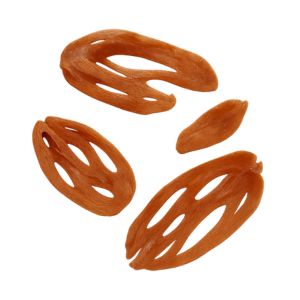
Mace and nutmeg come from the same fruit, but mace is the lacy aril and tastes brighter, more floral, and slightly peppery. Nutmeg is rounder and sweeter with a heavier “bakery” note. In liqueurs, mace is great when you want lift and elegance without the dense, dusty feel nutmeg can bring.
Extraction is quick: use 40–50% ABV and start with ½–1 tsp crushed mace blades per liter (or 1–2 small pieces). Taste at 12 hours and plan to strain within 24–72 hours. If you want more, add in small steps—mace can jump from “perfume” to “medicine” fast.
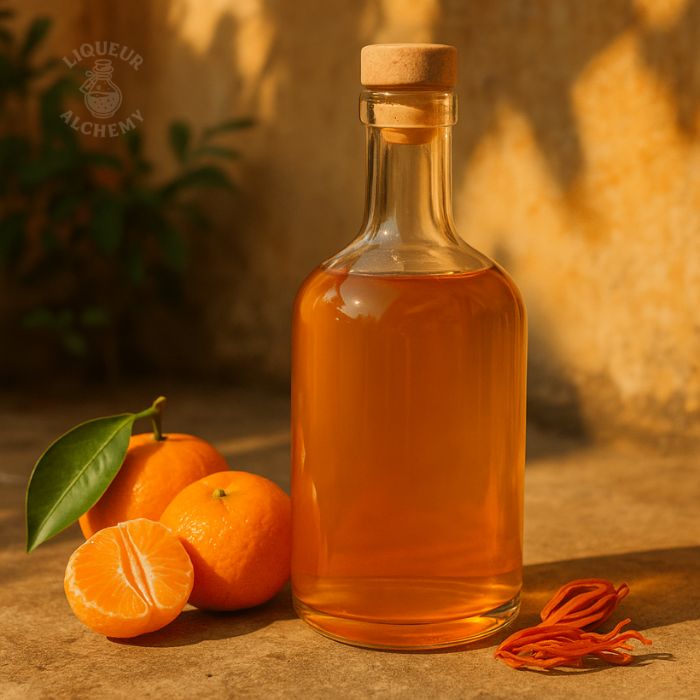
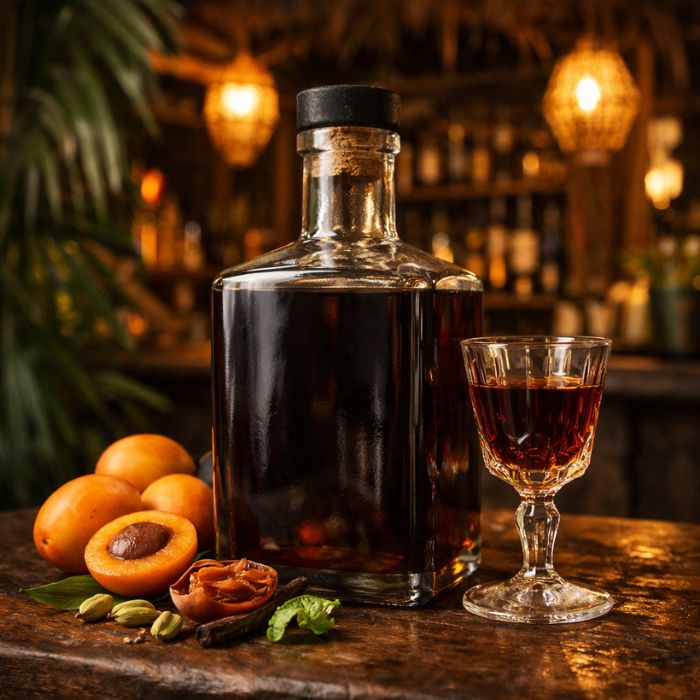
Common mistakes include using ground mace (hard to filter) and leaving it for weeks. Flavor impact pairs beautifully with citrus, stone fruits, vanilla, and honey. Store mace airtight; it loses aroma quickly when exposed to air and light.
How much mace is too much, and how do I fix an over-spiced liqueur?
Too much mace shows as sharp, perfumy, and slightly bitter, often with a numbing warmth. If you suspect you’re close, strain immediately—time is the enemy. The easiest fix is dilution by blending with the same liqueur base without mace, then re-balance sweetness.
Sweetness can soften mace, but don’t try to “sugar your way out” of heavy spice—it can become cloying. Instead, blend down, then add a tiny vanilla note or a touch of citrus zest infusion to redirect the aroma. Let the liqueur rest 1–2 weeks; spice edges often smooth with integration.
Common mistakes: using ground spice, shaking the jar daily, and adding mace together with strong clove/cinnamon. For future batches, steep mace in a separate tincture so you can dose precisely. Store finished bottles cool and dark; mace intensity can feel stronger after a few weeks.