What’s a good substitute for lemon thyme in liqueur recipes?
If you want a similar citrus-herb lift, try lemon balm, a small piece of lemongrass, or a tiny amount of rosemary plus citrus zest. Each substitute shifts the profile slightly, so choose based on your target style.
For a softer, sweeter herbal note, lemon balm is closest. For a sharper, more aromatic effect, lemongrass works well, especially with vodka. Rosemary is more resinous, so use it very lightly.
Substitution is best done in short finishing steeps. Add the herb late, taste often, and stop as soon as you get the desired top notes.
How long should lemon thyme be infused before it turns bitter?
Lemon thyme is aromatic and can extract quickly, but leafy herbs often turn bitter when left too long. The bright citrus-herb top notes usually appear early, while chlorophyll and bitter compounds build later.
Start tasting after 12–24 hours and expect a good window of about 1–4 days depending on how tender the herb is, how much you used, and the alcohol strength. Warmer temperatures speed bitterness.
For the cleanest flavor, do a short finishing steep: build your base liqueur first, then add lemon thyme for a brief final infusion. This keeps the aroma vivid and avoids a green, astringent finish.
Fresh vs dried lemon thyme: which is better for liqueur?
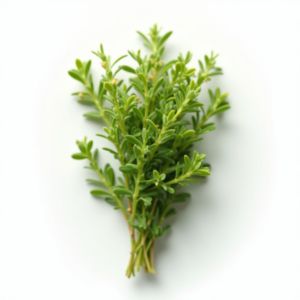
Fresh lemon thyme usually gives a brighter, more lifted aroma with a clean citrus-herb note. Dried thyme tends to taste deeper, more woody, and can lean medicinal if over-infused.
Dried herbs are more concentrated, so use less and infuse shorter than you would with fresh. If you want a fresh profile but need stability, you can use mostly fresh with a tiny amount of dried for structure.
Whichever you choose, keep timing tight and taste frequently. Thyme is powerful, and the goal is lemony lift—not a heavy, savory herb bomb.