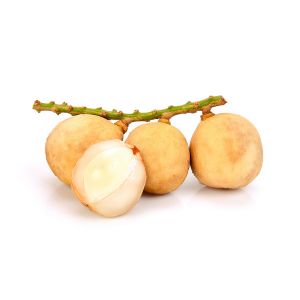
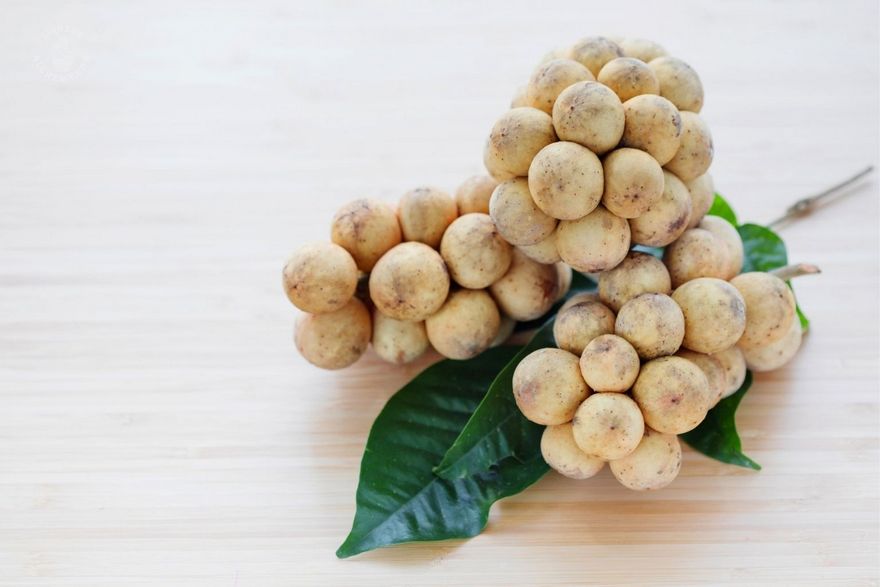
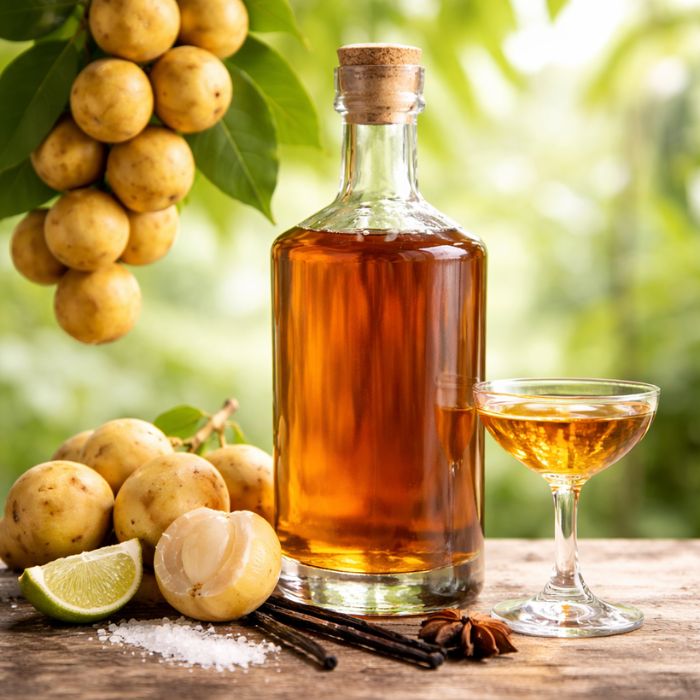
Langsat

Langsat for Liqueur Infusions – Gentle Sweetness & Balance

Langsat offers mild sweetness, soft acidity, and a faint citrus-pith bitterness that gives liqueurs a clean, refreshing profile. Its subtle flavor makes it ideal as a base fruit, supporting botanicals, herbs, or spices without overpowering them. Vodka and light rum highlight its clarity, while careful peeling avoids excessive bitterness from the skin. Best suited for clear, elegant liqueurs with a smooth, lightly tart finish.

Langsat

Langsat Flavor Profile

Mild tropical sweetness, soft acidity, subtle citrus-pith bitterness, clean finish.
Langsat Impact on Liqueurs

Provides a delicate fruit base, enhancing freshness and balance without dominating other flavors.

How to Use Langsat?

Peel thoroughly, remove seeds; 600–900 g per 1 L. Infuse 2–3 weeks; strain gently.

Langsat Pairing Suggestions

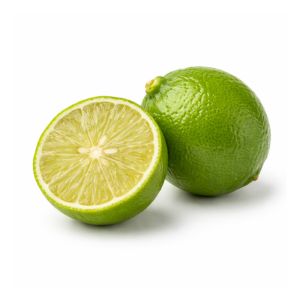
Lime, lemongrass, vanilla, ginger, coconut, mint, light rum, vodka.

Langsat FAQ


What base spirit pairs best with langsat: vodka, rum, or brandy?

Vodka is best for preserving langsat’s delicate tropical notes. Light rum can add a soft sweetness that fits the fruit, but choose a clean style so rum doesn’t dominate. Brandy can be lovely if it’s not too oaky, but heavy oak can mask langsat’s subtle aroma.

Infuse at 40–50% ABV and strain once aroma peaks (often 7–14 days). Sweeten after straining, then rest 1–2 weeks for integration.

Common mistakes include using strong-flavored spirits and over-spicing. Flavor impact should be clean tropical fruit. Store cool and dark; smaller bottles help preserve aroma after opening.

How do I infuse langsat for liqueur, and should I use the peel or only the flesh?

Langsat has delicate sweet-tart fruit notes, while the peel can be bitter and resinous, so start with flesh only. Peel, remove seeds, and keep pieces fairly large. Infuse at 40–50% ABV and start tasting at day 2–3; many batches peak around 7–14 days.

Dosage: 400–900 g langsat flesh per liter depending on intensity. Strain gently and cold-settle 1–3 days before fine filtering. Sweeten after straining; langsat benefits from a moderate sweetness that rounds its gentle acidity.

Common mistakes include including peel/pith, crushing the fruit, and steeping too long (dull). Flavor impact should be bright, tropical, and slightly citrusy. Store cool and dark; delicate top notes fade with heat and oxygen.

Why did my langsat liqueur taste bitter or astringent?

Bitterness usually comes from peel or membrane bits, or from over-extraction when fruit is crushed. Strain immediately and blend down with a clean base. A little sweetness can soften bitterness, but if peel bitterness is strong, blending is the main fix.

Prevention: be strict about removing peel and any bitter membranes, keep fruit pieces large, and taste early so you can strain on time. Keep the jar cool and avoid lots of headspace.

Common mistakes include “zesting” or adding peel for extra aroma without testing. Flavor impact should be sweet-tropical, not bitter. Store cool and dark; bitterness becomes more obvious as aroma fades.

RELATED RECIPES OF LIQUEUR ALCHEMY


Explore more creations from Liqueur Alchemy that share similar flavours, techniques, or ingredients. These related recipes offer fresh ideas and inspired combinations to help you craft your next bold, homemade spirit.