What’s a good substitute for juniper berries in liqueur making?
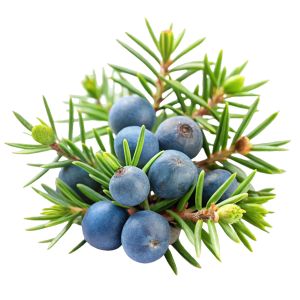
Juniper is unique—there’s no perfect substitute for its pine-resin signature. If you want a “gin-like” direction without juniper, you can use rosemary, bay leaf, or a small amount of piney herb, but the result will be different.
For a citrus-botanical effect, coriander seed plus citrus zest can mimic some gin brightness, but it won’t deliver juniper’s resinous backbone. Think of it as building a fresh botanical liqueur rather than replacing juniper.
If juniper is unavailable, choose a different botanical concept and lean into it. Trying to force a 1:1 swap usually leads to a confusing flavor profile.
Should you crush juniper berries before infusing for liqueur?
Light crushing is usually best because it opens the berries and releases aromatic oils that carry piney, resinous flavor. Whole berries extract more slowly and can taste weak unless you infuse longer.
The key is “light” crushing—crack them, don’t pulverize. Powdered juniper creates sediment and can over-extract, making the liqueur taste harsh, woody, or medicinal.
Start with a small amount, taste daily, and strain when you have bright pine and citrus notes without a bitter finish. Juniper is powerful, so controlled timing beats high dosage.
How long should juniper berries macerate in alcohol?
Juniper extracts relatively quickly once crushed, and it can drift from fresh “gin-like” aroma into woody or medicinal territory if left too long. Temperature and alcohol strength both affect speed.
A common window is 2–7 days for lightly crushed berries, but always taste and strain on flavor. If you want a layered profile, do staged infusion: remove juniper early, then add supporting botanicals later.
After straining and sweetening, rest the bottle so resinous notes soften and the liqueur feels rounder. Juniper often tastes sharper immediately and smoother after a week or two.