What flavor does coconut sugar add to liqueurs, and when does it work best?
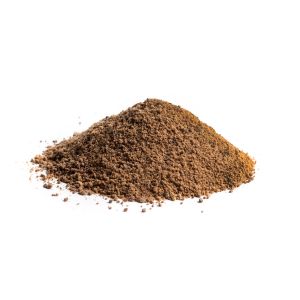
Coconut sugar adds a gentle caramel-toffee note with a slightly earthy finish. It’s less “molasses heavy” than muscovado, but more characterful than white sugar.
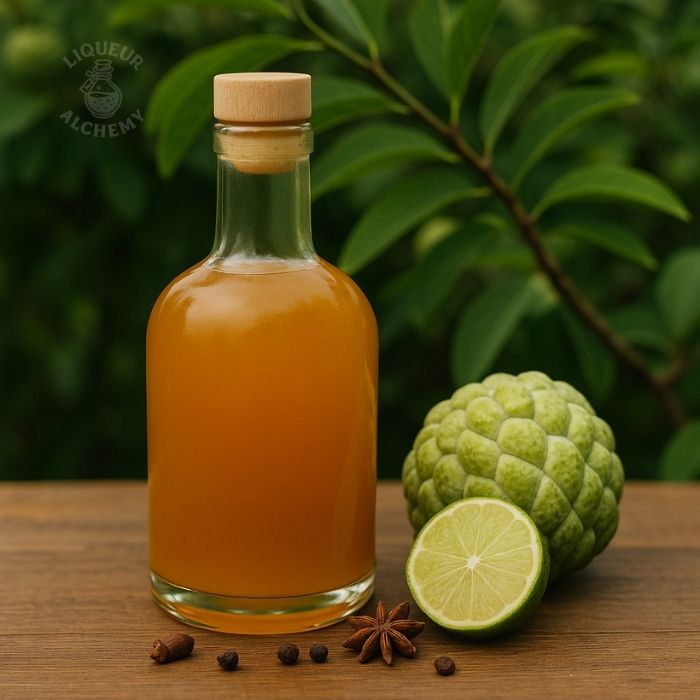
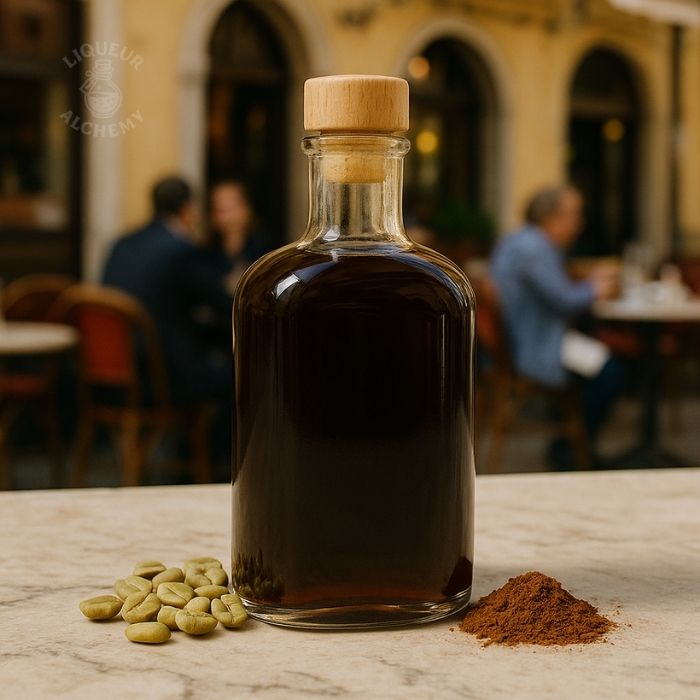
It works best with tropical fruits (mango, pineapple, banana), warm spices (cinnamon, cardamom), coffee, and nutty flavors. For delicate berries and florals, it can flatten brightness if used as the only sweetener.
Common mistake: expecting a coconut taste. Coconut sugar doesn’t taste like coconut—it tastes like caramelized sugar with a hint of earthiness.
Can I substitute coconut sugar for brown sugar in a liqueur recipe?
Usually yes, and it’s often a “cleaner” swap than muscovado. Coconut sugar still brings caramel depth, but typically with less heavy molasses punch than brown sugar.
Swap gram-for-gram to start, then adjust after 48 hours. If your recipe relies on the strong molasses identity of brown sugar (e.g., dark rum-style), you may want to blend: 50% coconut sugar + 50% brown sugar.
Common mistake: swapping and not adjusting extraction time. If the infusion is borderline bitter, coconut sugar can make the finish feel more earthy. Shorten peel/spice contact time and sweeten later for control.
Should I make coconut sugar syrup before adding it to alcohol?
Yes, it helps a lot. Coconut sugar can clump and dissolve unevenly in high-proof alcohol. A syrup gives uniform sweetness and can be strained if there are fine particles.
Make a 1:1 syrup by weight, warm gently until dissolved, cool fully, then dose in increments. Let the liqueur rest a few days—coconut sugar’s caramel note integrates and smooths out after resting.
Common mistake: adding dry coconut sugar and tasting too early. Undissolved clumps lead to “not sweet enough” decisions that become “way too sweet” later.