Coconut

Coconut for Liqueur Infusions – Flavor & Pairing Tips

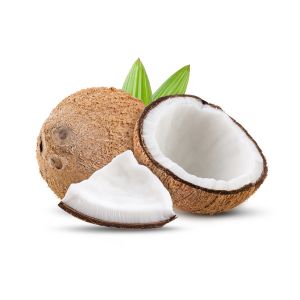
Fresh coconut brings a milky, tropical sweetness with gentle nutty notes that soften and round strong spirits. It is ideal for creamy liqueurs, but can also be used for clear infusions when combined with high-proof alcohol and careful filtration to manage natural fats. Coconut pairs exceptionally well with vanilla, cacao, coffee, cardamom, and citrus peel, especially in rum or vodka-based liqueurs.

Coconut

Coconut Flavor Profile

Milky tropical aroma, soft sweetness, creamy nutty notes.
Coconut Impact on Liqueurs

Softens alcohol heat and adds lush body, perfect for dessert or tropical liqueurs.

How to Use Coconut?

Use fresh or dried flesh; 200–400 g per 1 L. Infuse 1–3 weeks in rum or vodka; strain well.

Coconut Pairing Suggestions

Vanilla, cacao, coffee, cardamom, lime peel, pineapple.

Coconut FAQ


What flavors pair best with coconut liqueur (without turning it into sunscreen)?

Coconut shines with pineapple, mango, passion fruit, lime zest, vanilla, and cacao/coffee for a deeper vibe. The sunscreen problem happens when coconut is combined with heavy artificial vanilla or too much sweetener without enough acidity.

Keep it fresh by adding a small citrus lift and avoiding overpowering floral spices. If you want warmth, use tiny amounts of cardamom or long pepper rather than clove.

Common mistakes include over-sweetening and using flavored coconut products. Flavor impact should be toasted, creamy coconut with a bright finish. Store cool and dark; coconut integrates nicely after 1–2 weeks of rest.

What’s the best way to infuse coconut flavor into liqueur: flakes, chips, or fresh coconut?

Toasted unsweetened coconut flakes or chips are the easiest and most consistent for infusion. Fresh coconut adds water and can spoil faster, and it’s harder to control. Toast lightly to bring out warm, nutty aroma.

Coconut is oil-rich, so extract at 45–60% ABV for cleaner results. Start with 40–120 g toasted coconut per liter and steep 2–7 days, tasting daily. Strain, cold-crash 24–72 hours, decant, then sweeten gradually.

Common mistakes include using sweetened coconut, over-toasting, and blending into coconut milk (unstable). Flavor impact should be creamy coconut and toasted warmth. Store cool and dark; coconut oils oxidize, so small batches are best.

Why did my coconut liqueur turn cloudy or oily, and how do I clarify it?

Cloudiness is coconut oil emulsifying after dilution or syrup. Prevent by using higher-proof extraction (45–60% ABV) and cold-settling after straining. Avoid shaking aggressively after sweetening.

To fix, refrigerate 1–3 days, decant any separated oil layer, then paper-filter slowly. Some opalescence is normal; chasing crystal clarity can strip aroma.

Common mistakes include adding warm syrup and using coconut cream or milk in a non-cream process. Flavor impact can still be excellent even with slight haze. Store refrigerated after opening to slow oil oxidation.

RELATED RECIPES OF LIQUEUR ALCHEMY


Explore more creations from Liqueur Alchemy that share similar flavours, techniques, or ingredients. These related recipes offer fresh ideas and inspired combinations to help you craft your next bold, homemade spirit.