Why does cinnamon sometimes make liqueur taste bitter over time?
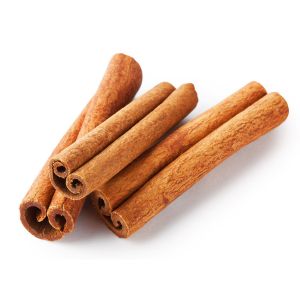
Cinnamon contains tannins and woody compounds that keep extracting the longer it sits in alcohol. Even if it tastes good at first, leaving the stick in the bottle can slowly shift the profile toward dryness and bitterness.
Warm storage speeds this up. It’s common to “set and forget” cinnamon, then discover the liqueur tastes barky weeks later. That’s why cinnamon is best treated as a timed infusion, not a permanent garnish.
Remove cinnamon when it hits your target, then let the liqueur rest. If you want cinnamon aroma in the finish without extraction risk, consider a very short finishing steep right before bottling.
How much cinnamon should you use in liqueur to avoid a harsh, woody taste?
Cinnamon extracts fast in alcohol, and too much can turn a liqueur woody, drying, or “hot.” Start small—one short stick is often enough for a liter-scale infusion, especially with lighter base spirits.
Timing is just as important as dosage. Cinnamon can go from warm and bakery-like to barky and bitter if left too long. Taste daily and remove it as soon as you get the aroma you want.
If you accidentally overdo it, blend the batch with a fresh fruit or vanilla base to dilute the cinnamon intensity. Resting helps, but blending is often the fastest fix for cinnamon dominance.
Ceylon vs cassia cinnamon: which is better for liqueurs?
Ceylon cinnamon is lighter, sweeter, and more floral, which makes it great for delicate fruit liqueurs and bright profiles. Cassia is bolder, spicier, and more “cinnamon candy,” which can be perfect for dark, wintery, or coffee-style liqueurs.
Extraction also feels different: cassia tends to punch through quickly and dominate sooner. Ceylon is easier to keep in balance because it’s softer and less aggressive.
If you’re unsure, start with Ceylon for subtlety and move to cassia when you want a strong spice signature. You can also blend: a little cassia for impact, Ceylon for smooth warmth.