How long should chokeberries be infused in alcohol?
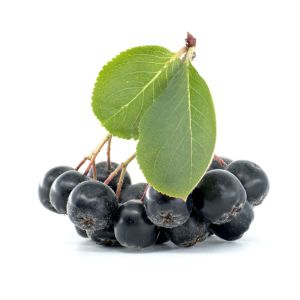
Chokeberries can build color and structure quickly, while fruit aroma develops more slowly. If you leave them too long, you get deep color but a harsh, drying finish.
Start tasting around day 3–5 and aim for a window of about 1–3 weeks depending on berry prep, alcohol strength, and temperature. Strain when the flavor is pleasantly dark-fruity and the finish is still drinkable.
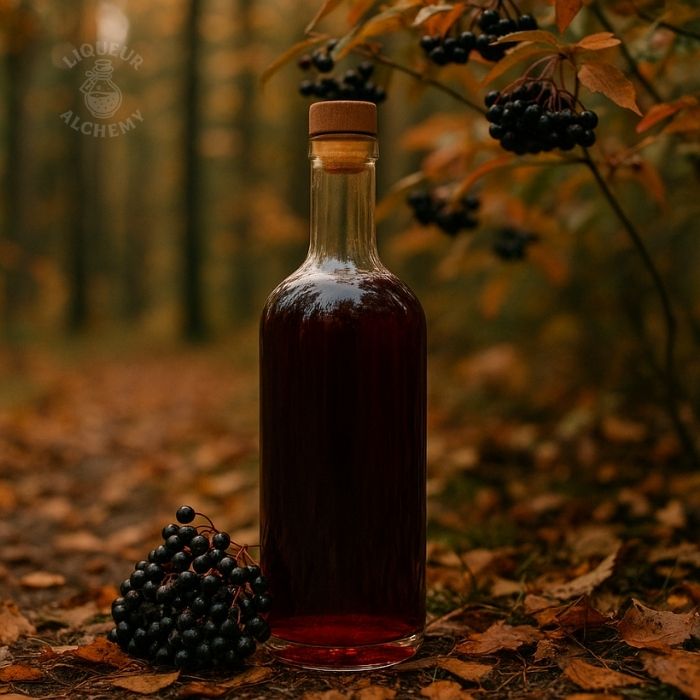
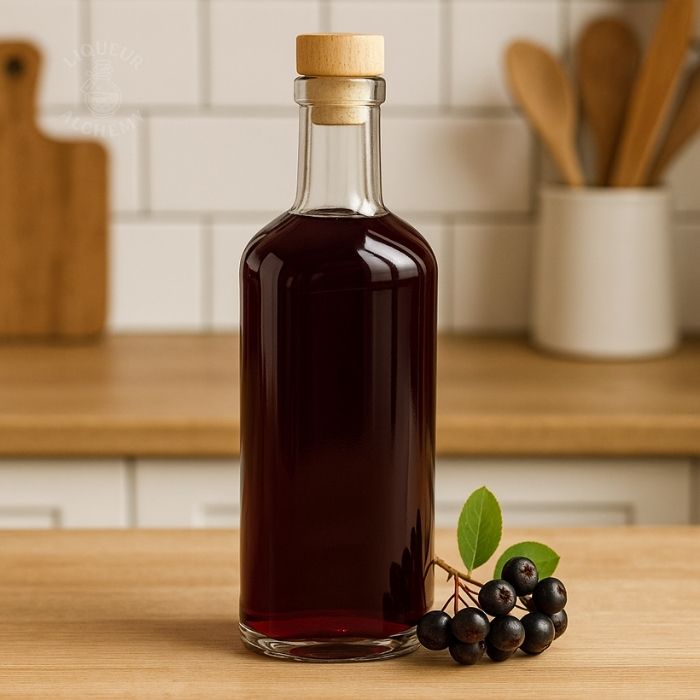
After straining and sweetening, rest for at least 2 weeks. Chokeberry liqueur often transforms from sharp to smooth as tannins integrate with sweetness and alcohol.
Can you substitute chokeberries with another fruit in liqueur recipes?
Yes—if you’re chasing dark color and tannic structure, blackcurrant, elderberry, or a mix of blueberries and dried peel can get you close. The key difference is that chokeberry is more drying than most berries.
If you swap to blackcurrant, you’ll get more aroma and less astringency; if you use elderberry, you may get a deeper, wine-like character. Adjust sweetness and infusion time accordingly because tannin levels differ.
If you want “chokeberry style” bite, blend in a small amount of strong tea or a tannic berry instead of over-infusing a softer fruit. Blending is safer than forcing tannin through long maceration.
How do you reduce bitterness and astringency in chokeberry liqueur?
Chokeberries (aronia) are naturally high in tannins, which can make liqueur taste drying or harsh if over-extracted. The easiest control is timing: start tasting early and strain before the finish turns too astringent.
Freezing the berries first helps break cell walls and can make extraction smoother, but it also releases tannin faster—so tasting is still crucial. Using a slightly higher sugar level and giving the bottle time to rest also softens perceived dryness.
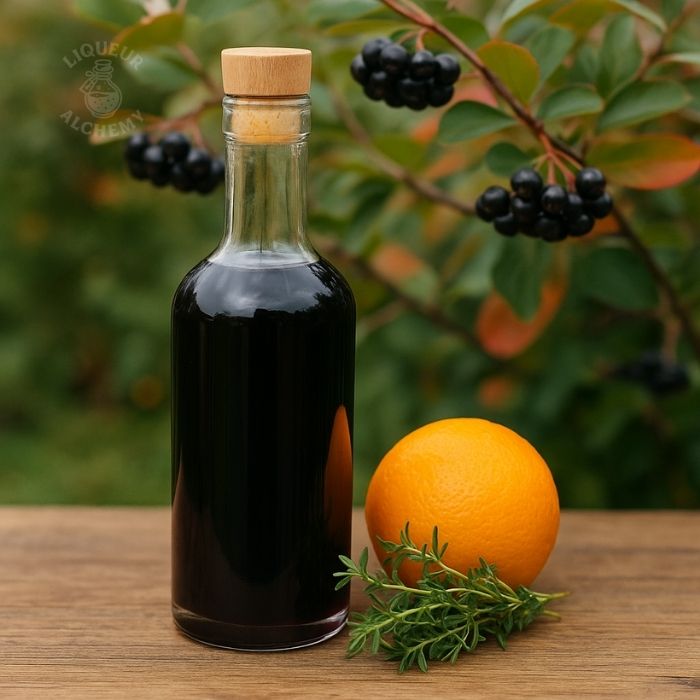
To shape the profile, add a small amount of vanilla, citrus peel, or a lighter fruit infusion for lift. Blending is often the best fix if the chokeberry bite is already too strong.