Why does jackfruit liqueur sometimes taste overly heavy or artificial?
Troubleshooting Common Homemade Liqueur Problems and Fixes
Direct Answer
Jackfruit liqueur turns heavy or artificial when over-extracted, over-sweetened, or made with dull fruit that loses freshness.
Expanded Explanation
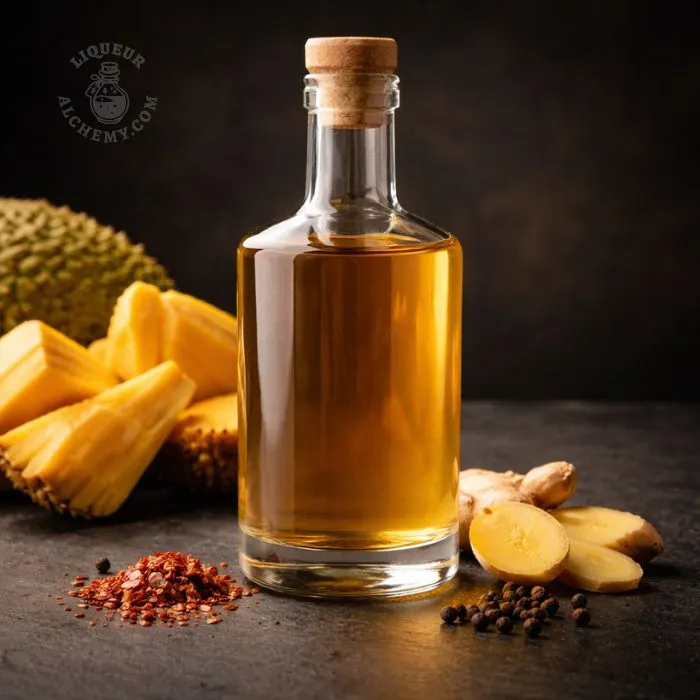
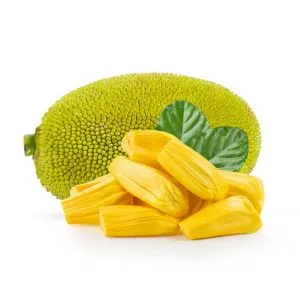
Jackfruit liqueur can taste overly heavy or artificial when the fruit is over-extracted, over-dosed, or paired with sweetness that pushes it into a candy-like direction. Jackfruit already has a naturally intense aroma that can remind people of confectionery, gum, or tropical candy when concentrated in alcohol. That is part of its charm, but it also means the line between expressive and excessive is thinner than with many other fruits. If too much fruit is used, or if the infusion runs too long, the result can lose freshness and start feeling thick, perfume-like, or oddly manufactured.
Sweetening choices can amplify that problem. A very high sugar level, especially added too quickly, can make the fruit seem flatter and more artificial rather than more luxurious. Some bold sweeteners can also blur the fruit profile instead of supporting it. Another factor is fruit quality. Very ripe jackfruit can be wonderful, but fruit that is overripe, dull, or starting to ferment slightly may create off impressions that read as synthetic rather than naturally tropical. Storage conditions matter too. Heat and oxygen can dull top notes and leave behind only the heavier aspects of the fruit.
To prevent this, use a moderate amount of good-quality ripe fruit, taste early, and strain at the point of best aroma rather than deepest extraction. Sweeten gradually and allow the bottle to rest before judging the balance. If the liqueur already feels too heavy, blending with a cleaner unsweetened batch or adding a little citrus zest character can sometimes restore lift. Jackfruit works best when its lushness is framed by freshness. Without that structure, the same bold profile that makes it exciting can drift into something clumsy or artificial.