Why does a gooseberry and lemon liqueur turn bitter or too sharp after infusion?
Troubleshooting Common Homemade Liqueur Problems and Fixes
Direct Answer
Bitterness or sharpness usually comes from excess pith, over-infused spice, or too much fruit pulp. Gentle prep, careful zesting, and timely straining keep the profile bright and smooth.
Expanded Explanation
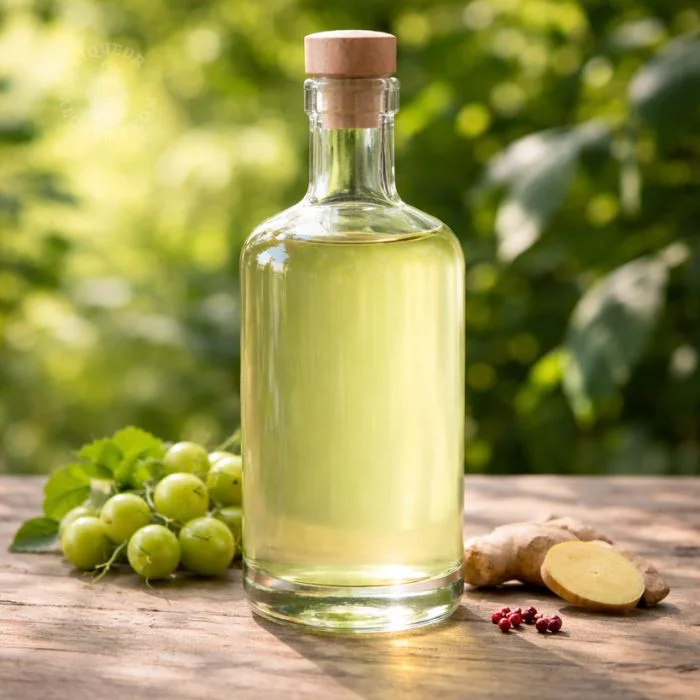
The most common reason is imbalance during extraction. Gooseberries naturally bring acidity, lemon juice adds more brightness, and lemon zest can introduce bitterness if too much white pith is included. Ginger and pink pepper also contribute a lively edge, so if several sharp elements build at once, the final liqueur can feel aggressive instead of fresh.
Another frequent mistake is overworking the fruit. Light crushing is enough to release juice, but turning the gooseberries into pulp can make straining harder and push more fine solids into the liquid. Those solids can continue to affect flavour, dull clarity, and create a rougher finish. Leaving the spice ingredients in too long can also shift the drink away from elegant citrus lift toward dryness or bite.
To prevent this, zest carefully, keep the crush gentle, and strain thoroughly through a fine filter. If the batch already tastes too sharp, give it extra resting time first, because it may soften naturally. After that, small sweetness adjustments can help, but it is always better to control bitterness and spice during infusion than to try correcting them later.