Can I use desiccated coconut or coconut milk instead of fresh coconut flesh for a coffee liqueur?
Ingredients and Sweeteners That Shape Liqueur Flavor
Direct Answer
Fresh coconut flesh gives the cleanest tropical flavour. Desiccated coconut can work in smaller amounts, but coconut milk is not recommended because it adds fat, cloudiness, and instability.
Expanded Explanation
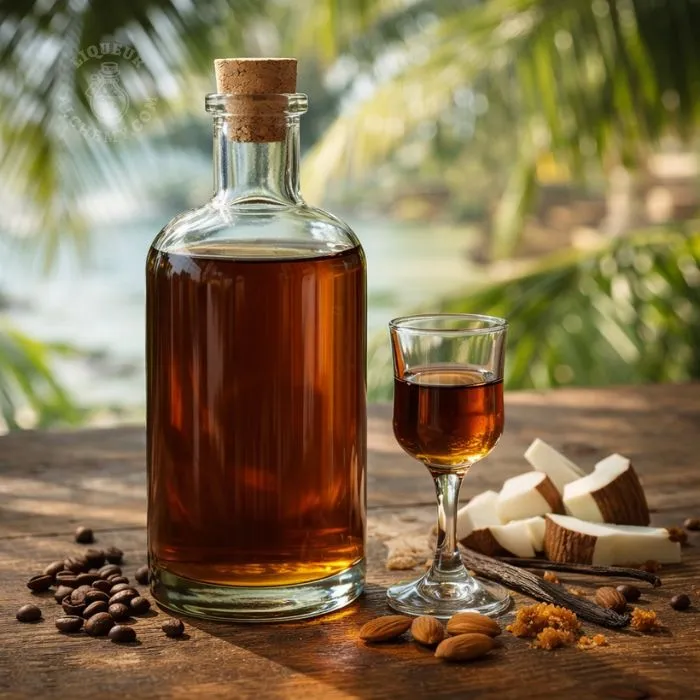
Fresh coconut flesh gives this recipe its soft, creamy tropical character without making the liqueur taste heavy. It also works well with a short coffee infusion, because it adds flavour and body while still allowing the roasted coffee notes to stay clear. Lightly toasting the coconut first helps concentrate flavour and reduces extra moisture.
Desiccated coconut can be used as a substitute, but it behaves differently. It is drier, more intense, and often extracts faster, so it can give a toastier and slightly rougher coconut profile. Use less than fresh flesh by weight and watch the infusion closely, because too much can push the drink toward a dry, woody finish instead of a rounded coconut note.
Coconut milk is not recommended for this style of liqueur. It adds fat, water, and instability, which can shorten shelf life and make the drink cloudy or separated. For a clean, shelf-stable result, fresh toasted coconut flesh is the best choice, while desiccated coconut is the most practical backup.