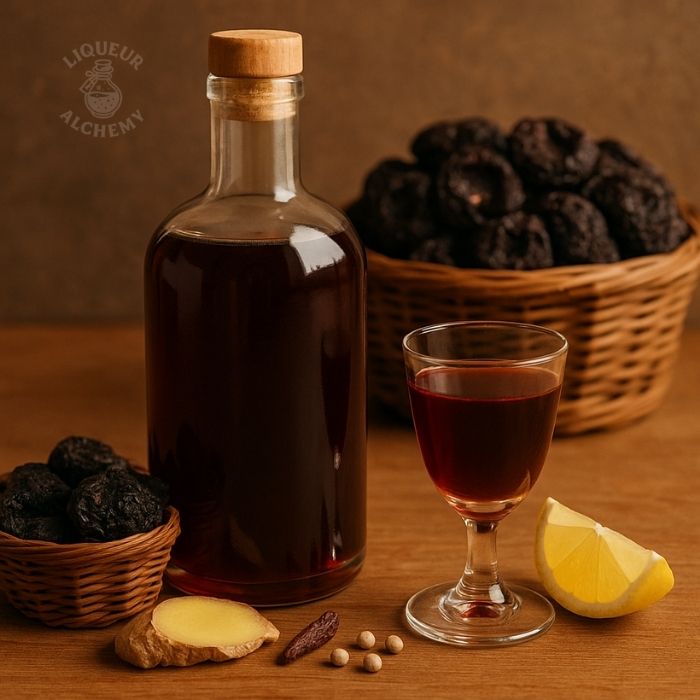
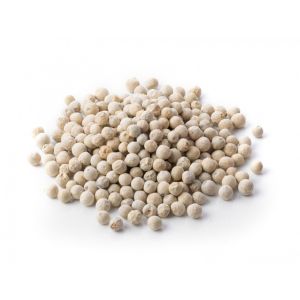
When should you remove ginger and white pepper so kokum stays tangy, not hot?
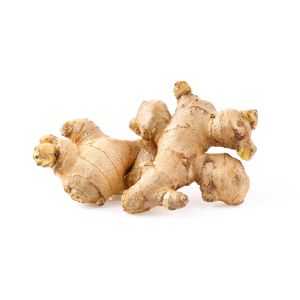
Ginger and white pepper both extract quickly and can turn a small batch from “zippy” to “hot” fast. Kokum already has a sharp bite, so too much heat can feel aggressive and mask the fruit’s tangy depth. The goal is gentle warmth that supports acidity.
Remove ginger as soon as you get a clear ginger perfume and a mild warmth on the finish. White pepper should be removed once you notice a clean, light lift—before it becomes papery or medicinal. If you are unsure, pull both early; you can always add a very short second touch later.
If it is already too hot, strain immediately and rest. Dilution is often the best correction because it lowers heat intensity and restores tangy aroma without piling on sweetness. Sweetening can hide heat briefly but often returns as a burning finish.
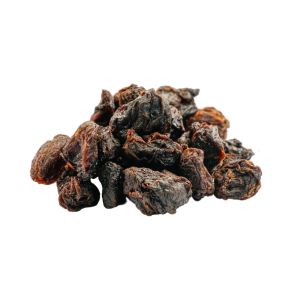
What can replace candied kokum if you only have dried kokum or kokum syrup?
Candied kokum provides both flavor and built-in sweetness. Dried kokum is more intense and can be harsher because it lacks the candy’s sugar buffer. Kokum syrup is already sweet and usually acidic, so it changes your sweetener math.
If using dried kokum, use a smaller amount and shorten contact time; taste frequently and remove when the tang is vivid but not harsh. If using kokum syrup, reduce added sugar and honey accordingly and treat it as both flavor and sweetener. In both cases, be careful with extra lemon juice—kokum already brings plenty of acidity.
When substituting, aim for balance through dilution and rest. Kokum’s flavor can feel sharp at first; time helps it smooth out. Make adjustments in tiny steps and always taste chilled for the most honest reading.
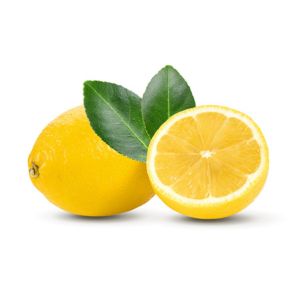
How do you balance kokum tartness with lemon and sweeteners without making it too sour?
Kokum is naturally sharp and tangy, and candied kokum can still bring strong acidity. Adding lemon juice can make the profile brighter, but it can also push it into puckering sourness if the sweeteners are not supporting it. The goal is a jewel-like tang that feels mouthwatering, not harsh.
Taste chilled and adjust gently. If it is too sour, try a small dilution first; lowering acidity concentration often makes honey and sugar feel more effective. Then sweeten in tiny increments, focusing on clean sweetness. If it feels dull or heavy, do not add more lemon—lift aroma instead by using a short ginger touch or a small reduction in density.
Resting helps a lot with kokum. The first week can taste sharp and angular, but after a couple of weeks the acidity rounds and the flavor becomes more integrated. Final tweaks should be small and patient.