How do you tame ginger heat without turning the liqueur overly sweet?
Ginger heat is mostly a “front-of-palate burn,” and it can dominate if extracted too long or if the ginger is very fresh and potent. First, let the bottle rest—heat often calms noticeably after a couple of weeks as flavors knit together, especially once solids are removed.
If it’s still too punchy, dilution is the cleanest fix: add a little plain vodka (or a small splash of water) to soften intensity without adding sugar. Then re-check the balance with a cold taste test, because chill reduces perceived heat and can reveal whether the citrus and carrot are actually fine.
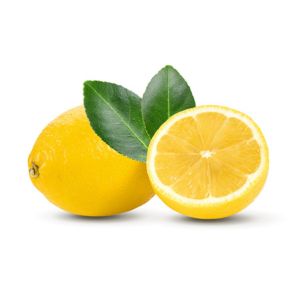
As a last step, a tiny increase in acidity (a few drops more lemon) can “lift” the profile so the heat feels brighter rather than harsh. Go slowly—acidity can make spice feel sharper if overdone. The goal is a warm glow, not a ginger shot.
When should you remove cinnamon from a carrot-ginger infusion to avoid woody bitterness?
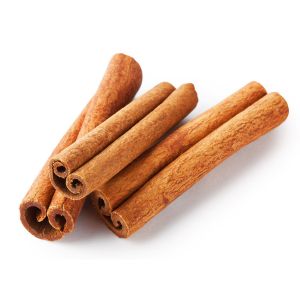
For cinnamon, think “supporting actor, not co-star.” If it stays too long, it can turn dry, woody, and slightly numbing, which flattens the bright carrot and citrus notes. In a carrot-ginger base, pull the cinnamon earlier if you taste sharp, bark-like dryness or a lingering astringent finish.
A practical approach is to start tasting after the first week and remove cinnamon as soon as the aroma feels rounded and warm rather than spicy and sharp. If you only have ground cinnamon, skip it—powder is harder to filter and extracts aggressively. A smaller piece is safer than “half a stick” if your sticks are thick.
After sweetening, cinnamon perception often increases because sugar carries spice aromas. If it already feels “cinnamony” before syrup, it may become dominant later. Once filtered, rest the bottle: the warmth integrates, and the carrot/citrus will read cleaner instead of “spiced tea.”
What can replace honey without losing silky body in a citrus-ginger liqueur?
Honey brings two things: sweetness and texture. If you need a swap, aim to replace both. A simple syrup made from white sugar works for sweetness, but it can feel thinner; a small portion of richer sugar (like light brown or cane) helps restore roundness without changing the flavor too much.
If the goal is to avoid honey’s floral notes, try a neutral invert syrup (or a quick “semi-invert” by warming sugar with a little lemon juice) to mimic honey’s softness. If the goal is to avoid crystallization issues, use dissolved sugar syrups rather than adding dry sugar directly—this keeps the mouthfeel smooth.
Taste after a short rest. Honey alternatives may initially feel “sharp-sweet,” but a week or two of settling often rounds it out. If it still seems thin, a tiny extra bump of syrup (added gradually) is better than adding more spice, which can push the profile away from carrot-citrus freshness.