When should you remove ground coffee, star anise, and mulled spice so the beer notes stay smooth?
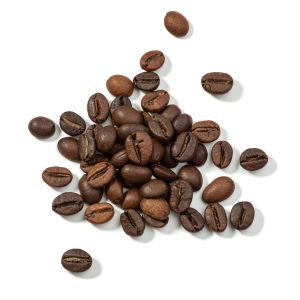
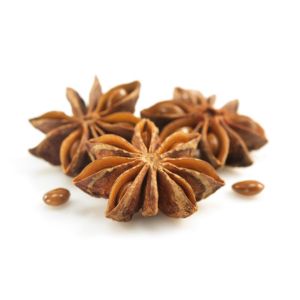
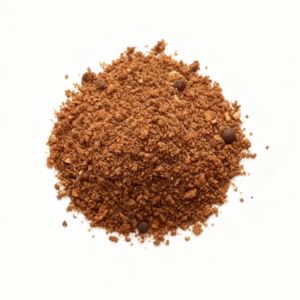
Coffee extracts very fast and can flip from rich roast to ashy bitterness quickly. Star anise can dominate with licorice, and mulled spice mixes often contain strong clove and citrus peel that can turn medicinal if over-extracted. With beer already providing roast and bitterness, timing needs to be tight.
Remove coffee first when the aroma is espresso-like but not smoky. Remove star anise when licorice is clearly present on the nose but still background. Mulled spice should be treated as a short infusion: pull it when the aroma turns warm and fragrant, before any sharp clove note appears.
If you overshoot, do not try to fix it with more sugar immediately. Strain, rest, and consider a small dilution to reduce bitterness density. The harsh edge often softens after a couple of weeks if you stop extraction early enough.
How do you balance raisins and two sugars so the finish is not sticky or bitter?
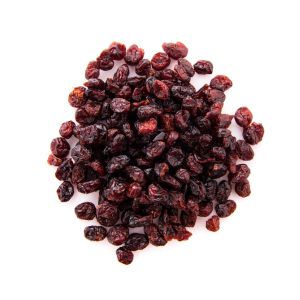
Raisins add body and a chewy caramel note, while sugar adds sweetness and mouthfeel. In a beer-based liqueur, too much sweetness can make roast bitterness feel sharper, and too much raisin can push the drink toward a heavy, syrupy finish.
Taste chilled and adjust slowly. If it feels sticky, a small dilution is often the cleanest correction because it lowers density and lets aromatics breathe. If it tastes bitter, do not pile on more sugar; instead, reduce bitterness perception by diluting slightly and letting it rest.
After you find a good balance, resting time is essential. The roast, raisin, and spice notes knit together and lose their harsh edges. Bottling too early often exaggerates bitterness that would otherwise smooth out with patience.
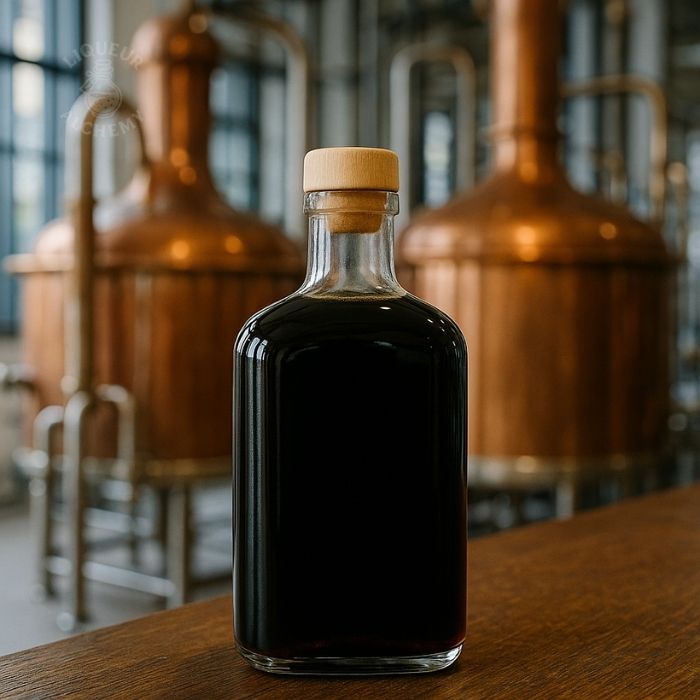
Can you use any dark beer, and how do you avoid curdling or off flavors in a vodka-beer liqueur?
Beer brings carbonation, proteins, bitterness, and roasted notes. Some dark beers are sweet and smooth, while others are aggressively bitter or acidic. Those differences matter: strong bitterness can become harsh in alcohol, and high acidity can make the blend taste sour or “muddy.”
Choose a dark beer with a clean roast profile and moderate bitterness. Let the beer go flat before combining so you avoid foaming and trapped carbonation. If the blend tastes rough, strain out any sediment and give it resting time; roast bitterness often softens as sugars integrate.
If you notice a weird dairy-like or sulfur note, it is usually a mismatch beer rather than a spoilage issue. Switch to a cleaner stout or porter next time, and keep spice dosing conservative so the beer’s roast stays readable.