White Currant

White Currant for Liqueur Infusions – Flavor & Pairing Tips

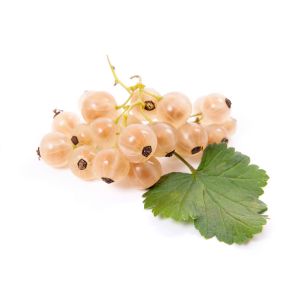
White currants bring gentle acidity and a light fruit character that adds freshness and refinement to liqueurs. Their translucent sweetness lifts the blend without overpowering it, while their tartness balances sugar and alcohol perfectly. Ideal for floral, citrus, or berry liqueurs, they create a graceful, refreshing tone with a clean finish, enhancing both clarity and sophistication in every sip.

White Currant

White Currant Flavor Profile

Delicate tart-sweet berry, light floral acidity.
White Currant Impact on Liqueurs

Adds gentle freshness without overpowering sweetness.

How to Use White Currant?

Use fresh or frozen; 500–800 g per 1 L. Infuse 2–4 weeks in vodka.

White Currant Pairing Suggestions

Vanilla, lemon peel, honey, mint.

White Currant FAQ


How long should white currants be infused for liqueur?

Because white currants are delicate, aim to capture aroma without pulling too much seed and skin dryness. A common window is 7–14 days depending on ripeness and whether they’re frozen.

Start tasting after day 3–5. If it starts tasting more dry than fruity, strain earlier and let resting do the smoothing work. Long macerations can add tannin without adding aroma.

After straining, sweeten gradually and rest at least a week. White currant liqueur often becomes brighter and more integrated after short bottle rest.

What’s a good substitute for white currants in homemade liqueur?

Red currants are the closest substitute, though they’re usually more tart and slightly more aromatic. Adjust sweetness and consider a slightly shorter infusion if sharpness is high.

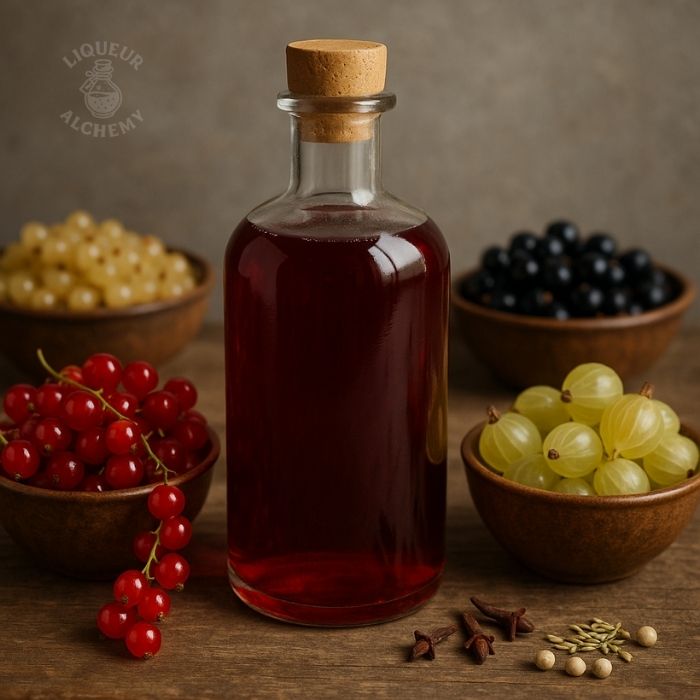
If currants aren’t available, gooseberry or green grape with citrus zest can mimic the crisp, bright effect, though it won’t match exactly. Focus on clean tartness and light fruit aroma.

Keep spices minimal with substitutes. White-currant-style liqueurs work best when they stay light and crisp, so heavy botanicals will easily overpower the profile.

How is white currant different from red or black currant in liqueur making?

White currants are milder and more delicate than red currants, with gentle tartness and a lighter aroma. They make an elegant liqueur but can feel subtle if you expect blackcurrant intensity.

Compared to blackcurrant, white currant has far less dark-berry depth, so it benefits from careful sweetening and sometimes a small aromatic booster like citrus zest.

If you want a bold result, blend a portion of red currant or add a small botanical lift. If you want a light summer-style liqueur, keep it simple so the delicate fruit stays in the spotlight.

RELATED RECIPES OF LIQUEUR ALCHEMY


Explore more creations from Liqueur Alchemy that share similar flavours, techniques, or ingredients. These related recipes offer fresh ideas and inspired combinations to help you craft your next bold, homemade spirit.