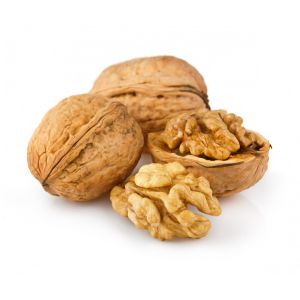
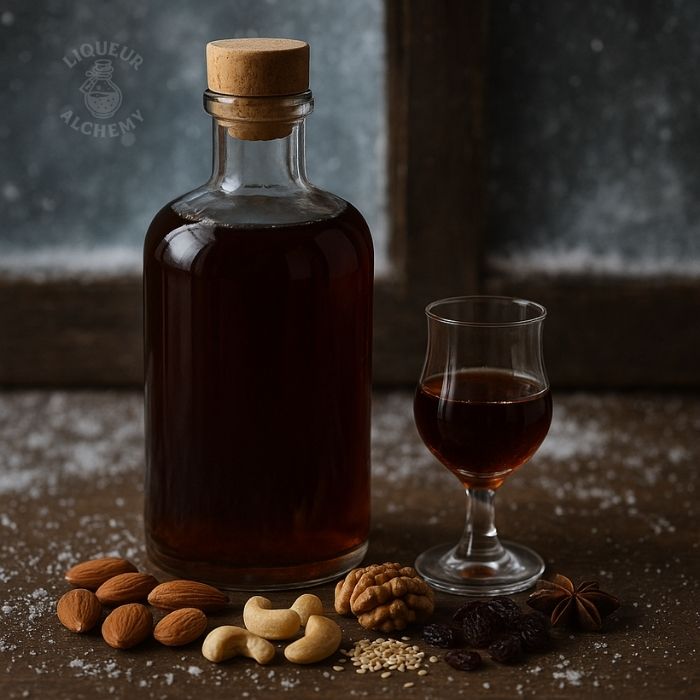
Why did my walnut liqueur become oily or cloudy after adding syrup?
Walnuts release oils that stay dissolved at higher proof, but can emulsify when you dilute or add syrup, creating haze or an oily sheen. Prevention starts with higher-proof extraction (45–60% ABV) and minimal grinding—coarse pieces release fewer fines. After straining, let the infusion rest cold so oils separate.
To fix a cloudy batch, cold-crash in the fridge for 1–3 days, then decant carefully. Paper filtering can help, but do it after settling or it will clog. Avoid heating the liqueur—heat can stabilize emulsions and make haze more persistent.
Common mistakes include using warm syrup, shaking hard after sweetening, and squeezing the nut bag. Flavor impact is usually unaffected; many nut liqueurs are naturally a bit opalescent. Store refrigerated after opening to slow oil oxidation and keep the texture cleaner.
Can I substitute walnuts with pecans, hazelnuts, or almonds in walnut liqueur recipes?
Yes, but each nut changes the profile. Pecans lean buttery and caramel, hazelnuts go praline/chocolatey, and almonds go marzipan. Walnuts are deeper and slightly bitter-edged, so if you substitute, adjust dosage and keep steep time controlled.
Use the same best practices: roast lightly, remove skins where possible, extract at 45–60% ABV, and taste early. If swapping to hazelnuts, reduce time because they can get roasty-bitter; if swapping to almonds, control skins to avoid bitterness.
Common mistakes are treating nuts like fruit (long steeps) and using low proof (unstable oils). Flavor impact should remain smooth and toasty. Store cool and dark; nut oils age, so plan smaller batches and quicker consumption.
How do I make walnut liqueur without it turning bitter or overly tannic?
Walnuts can go bitter from skins, oxidation, and long extraction—especially if you use very dark, old nuts. Start with fresh walnuts and toast them lightly to bring out a round, nutty aroma without scorching. Use 45–60% ABV for cleaner oil extraction, coarsely chop (don’t grind), and start tasting at day 3–4.
Timing and dosage: a good starting dose is 200–350 g walnuts per liter of spirit. Most walnut infusions peak around 7–14 days; beyond that you can pull woody bitterness. Strain, cold-crash 24–72 hours, decant, then sweeten in stages so you can keep the nutty aroma forward.
Common mistakes are using rancid nuts, over-toasting, and leaving nut skins and fines in contact too long. Flavor impact should be rich, toasty, slightly cocoa-like; vanilla or cacao can deepen it, but add late and lightly. Store cool and dark; walnut oils oxidize, so smaller batches and fridge storage after opening help.