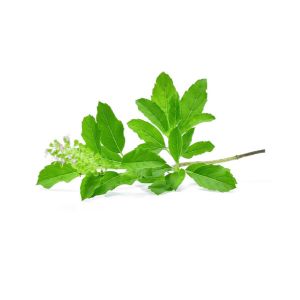
Tulsi vs sweet basil: what’s the difference in liqueurs and can I substitute?
Tulsi has a more medicinal, clove-minty, camphor-like aroma compared to sweet basil’s green, culinary brightness. In liqueurs, tulsi reads spicier and more herbal, while sweet basil reads fresh and leafy. You can substitute, but expect a different personality.
If substituting sweet basil for tulsi, use slightly more and keep infusion short. If substituting tulsi for sweet basil, use less and taste earlier to avoid medicinal dominance. Making separate tinctures and blending is the safest way.
Common mistakes include swapping 1:1 and steeping for days. Flavor impact should match your goal: tulsi for warm herbal depth, basil for bright green lift. Store herbs sealed; dried herbs lose top notes quickly.
What flavors pair best with tulsi in homemade liqueurs?
Tulsi pairs beautifully with honey, lemon or lime zest, ginger in tiny amounts, and warm spices like cardamom. It also works with berries where it adds a herbal top note, but keep it subtle.
Timing: build the fruit base first, strain, then add tulsi briefly at the end, or dose a tulsi tincture. Sweeten after straining and rest 1–2 weeks so the herbal note integrates.
Common mistakes include combining tulsi with clove-heavy spice mixes and over-extracting. Flavor impact should be aromatic and calming, not medicinal. Store cool and dark; herbal liqueurs are best within a few months for peak aroma.
How do I infuse tulsi (holy basil) without turning it bitter or grassy?
Tulsi is aromatic and herbal, but it can go bitter if steeped too long. Use fresh leaves if available (or good dried tulsi), and infuse at 40–50% ABV with short contact. For fresh, start tasting at 2–4 hours; for dried, start at 6–12 hours. Many infusions are ready within 6–48 hours.
Keep dosage modest: a small handful of fresh leaves per liter, or 5–15 g dried. Strain as soon as the aroma is clear and pleasant. Tulsi pairs well with citrus, honey, and gentle spices like cardamom.
Common mistakes include bruising leaves aggressively and leaving them for days. Flavor impact should be fresh, clove-minty basil notes, not green bitterness. Store cool and dark; herbal top notes fade, so aim for fresher batches.