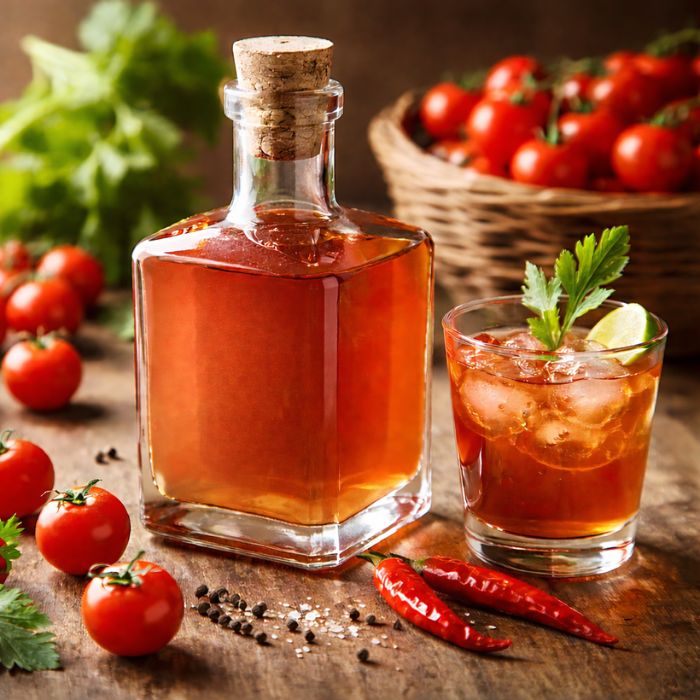
What are the best uses for tomato-infused spirits in cocktails or liqueurs?
Tomato infusions shine in savory cocktails: Bloody Mary variations, tomato gin & tonic riffs, or a savory martini with a lemon twist. Use it more like a seasoning spirit than a sipping liqueur—think small pours that add umami and freshness.
If you want a “liqueur” approach, keep sweetness low and build structure with salt, acidity, and herbal notes (celery, black pepper, basil). Make components separately and blend; tomato itself should be a short, clean infusion.
Common mistakes include trying to make it dessert-sweet and steeping for days. Flavor impact should be bright tomato skin, not sauce. Store refrigerated and use within a month for best aroma.
Can you make tomato liqueur, and how do you keep it from tasting like pasta sauce?
Tomato in alcohol is more of a savory infusion than a classic sweet liqueur, but it can be delicious for Bloody Mary–style cocktails. The key is short extraction and aroma-first ingredients: use ripe tomatoes, remove seeds/gel if you want cleaner flavor, and avoid long contact that pulls cooked, sulfury notes.
Use 40–50% ABV and steep sliced tomato briefly—often 2–12 hours is enough—tasting frequently. Strain early, then decide if you’re making a savory cordial (little to no sugar) or a sweet-savory liqueur (light sweetness + salt + acid balance). Add salt and acid last and in tiny amounts.
Common mistakes include steeping overnight with crushed tomato, using canned tomatoes, and adding heavy spices too early. Flavor impact should be fresh tomato skin + umami, not stew. Store refrigerated and consume within weeks; tomato aromatics are fragile and spoil faster than fruit liqueurs.
Why did my tomato infusion smell sulfurous or ‘cooked,’ and can I fix it?
Sulfurous or cooked aromas usually mean over-extraction, warm steeping, or using crushed/overripe tomatoes. Strain immediately and chill. Sometimes the aroma softens after a day or two cold, but strong cooked notes rarely turn into something bright.
For salvage, blend with a clean base and add fresh aromatics via brief infusions—like celery leaf, black pepper, or a tiny citrus zest lift—then rebalance salt and acid. Keep expectations realistic: if it smells like tomato soup, it’s often best to discard.
Common mistakes include long macerations and trying to “sweeten it away.” Flavor impact should be fresh and vegetal. Store cold, and keep oxygen low; tomato oxidizes quickly.