How do I make sugar apple liqueur without it turning cloudy or funky?
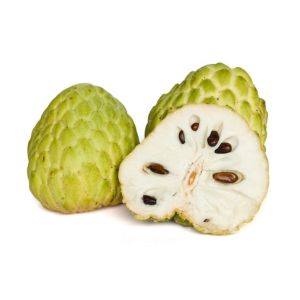
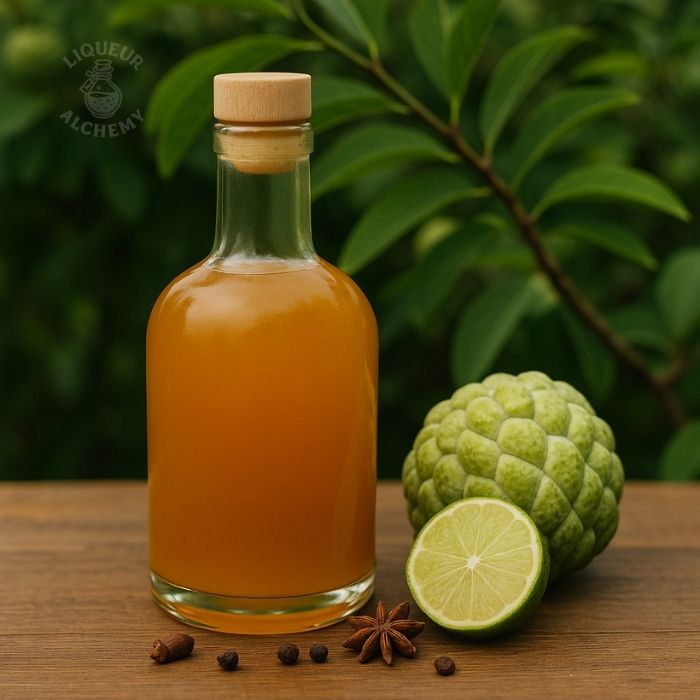
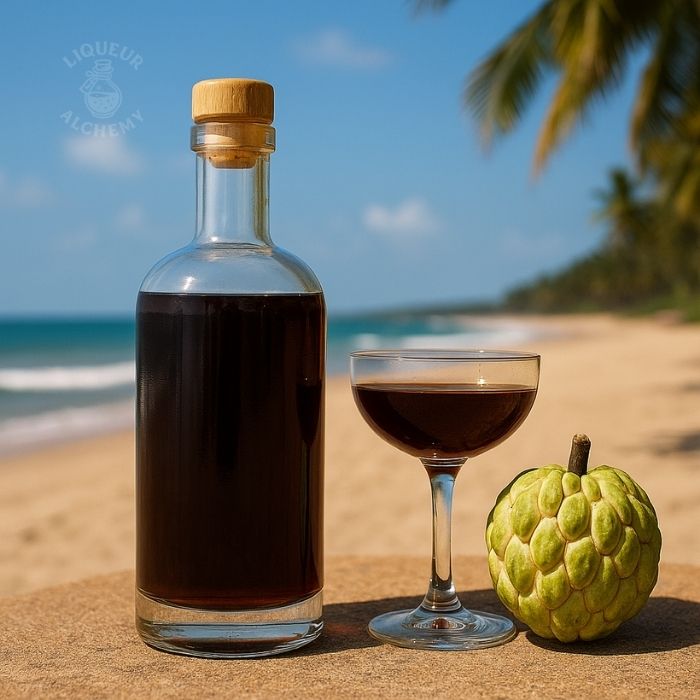
Sugar apple is high in pectin and soft pulp, so cloudiness is normal if you blend or mash it too aggressively. Use ripe fruit, scoop the flesh, and macerate gently in 40–50% ABV (vodka or light rum), keeping solids chunky so you’re extracting aroma more than puree. After 5–10 days, strain through a fine sieve, then let it settle cold for 24–48 hours before a second filter.
If you want a clearer bottle, avoid heating and don’t add juice or water early—dilution can drop pectin and starches out of solution. Sweeten only after the first strain and only to the texture you want; syrup added too fast can “shock” the infusion and haze. If it still looks milky, fine it by chilling and decanting, or accept it as a dessert‑style crema texture.
Common mistakes are overripe fruit left too long (fermented notes), too-low ABV (microbial risk), and squeezing the pulp in the filter (forcing haze through). Flavor impact is creamy banana‑vanilla with tropical candy notes; keep spices minimal (vanilla or a pinch of salt). Store the finished liqueur cold if it’s very pulpy, and consume within 2–3 months for the brightest aroma.
What’s the best infusion time and alcohol strength for sugar apple?
Aim for 40–50% ABV for extraction: it pulls aroma while staying stable around soft fruit. Sugar apple gives up its perfume quickly, so start checking at day 3 and plan to strain between days 5–10. Longer contact often adds dull “overripe” notes and can thicken the liquid from pectin.
Dosage matters more than time: a good starting point is 250–350 g prepared flesh per 1 L of spirit. If you want a lighter, sippable profile, use less fruit and a shorter steep; if you want a dessert liqueur, use more fruit but strain earlier and sweeten to taste. A small amount of citric acid (or a squeeze of lime added after straining) can brighten the finish without cooking the fruit.
Common mistakes include using low-proof alcohol, leaving the jar in warm light, and shaking too hard (turns it into puree). For storage, keep the maceration in a cool, dark place and the finished bottle in the fridge if it’s rich or slightly cloudy. If you need a substitution, custard apple/cherimoya behaves similarly—just shorten time because aroma is delicate.
Why does sugar apple liqueur taste flat, and how do I fix it?
Sugar apple can read as “sweet but quiet” because its aroma is soft and its acidity is low. If it tastes flat, you usually need brightness (acid) and a tiny bit of structure (a whisper of bitterness or salt). Start by adding a few drops of citric acid solution or fresh lime juice after straining—go slowly, taste, and stop when the fruit pops.
Next, check sweetness and dilution: too much syrup can bury aroma, and too low ABV can make it feel heavy. Fix by blending in a little higher-proof neutral spirit to lift volatility, then re-balance sweetness. If the finish is still bland, add micro‑doses of vanilla, toasted coconut, or a single coffee bean for depth—remove quickly once it shows.
Common mistakes are adding spices early (they dominate), using underripe fruit (less aroma), and letting it oxidize with lots of headspace. Keep jars topped up, strain on time, and store airtight. The flavor impact you want is creamy tropical, so keep adjustments minimal and targeted rather than piling on botanicals.