Should I use powdered sugar in liqueurs, or will it cause clumping and haze?
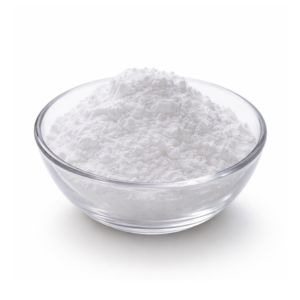
Powdered sugar dissolves fast, but it often contains anti-caking agents (like starch) that can create haze or a slightly “dusty” mouthfeel. That’s the tradeoff: speed versus clarity.
If clarity matters, avoid it or choose a brand without added starch (rare). Better approach: use regular sugar syrup for control, or use powdered sugar only in creamy/opaque liqueurs where haze doesn’t matter.
Common mistake: using powdered sugar to “fix” graininess at the end. You may solve crystals but introduce permanent haze. If you need fast sweetness, use simple syrup instead.
How much powdered sugar equals granulated sugar in sweetness for liqueurs?
By weight, it’s essentially the same sweetness because it’s still sugar. The confusion comes from volume: powdered sugar packs differently and includes air, so “1 cup” measurements won’t match.
Use a scale and dose in grams per liter the same way you would with granulated sugar. If you must measure by volume, expect inconsistent results and plan to adjust after resting.
Common mistake: switching to powdered sugar mid-recipe and keeping cup measures. Always switch to grams, especially for repeatable batches.
Why is my powdered sugar forming lumps in alcohol, and how do I fix it?
Powdered sugar can clump when it contacts alcohol because the surface hydrates unevenly and forms little “shells” around dry powder. Anti-caking starch can make this worse.
Fix: premix it into a small amount of warm water to create a smooth syrup, then cool and add. If it already clumped in your jar, let it sit, then stir gently and filter if needed.
Common mistake: shaking harder. That can break lumps into tiny suspended particles, making filtration harder. Stir + time + syrup method works better.