How do I keep pomegranate liqueur bright and not ‘flat’ after sweetening?
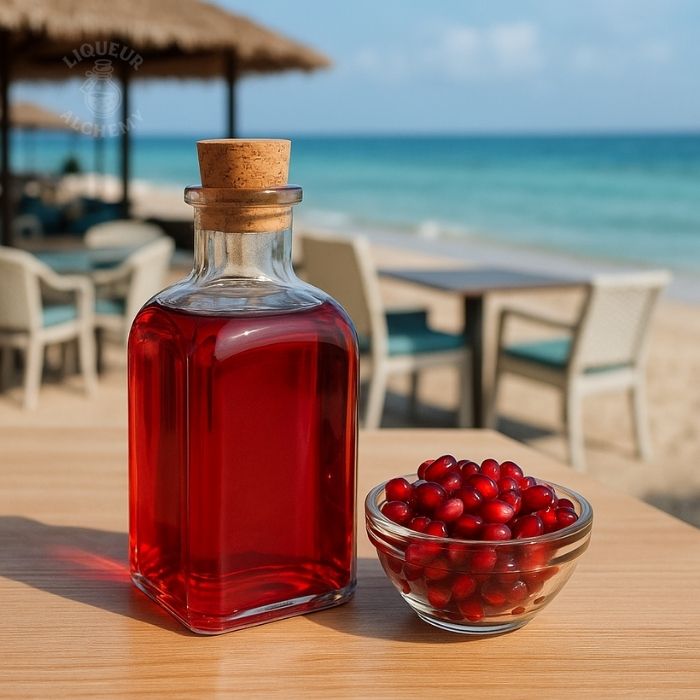
Pomegranate can go flat when sweetness is pushed too high or when you dilute too much. Sweeten after straining and do it in stages, tasting between additions. Aim for “tart-first, sweet-second” rather than dessert-syrupy; pomegranate shines with a crisp edge.
If it tastes muted, add structure rather than more fruit: a tiny pinch of salt can sharpen perceived flavor, and a controlled acid adjustment can re-focus the tart snap (go slowly—pomegranate is already acidic). Increasing ABV slightly by blending in a small amount of higher-proof neutral spirit can also lift aroma.
Common mistakes are adding juice and syrup at the same time (haze + muted aroma) and storing with lots of headspace. Rest 1–2 weeks to integrate after sweetening, then re-taste. Store cool and dark; bright pomegranate notes fade faster in warm storage.
Should I use pomegranate juice or arils for pomegranate liqueur, and which tastes better?
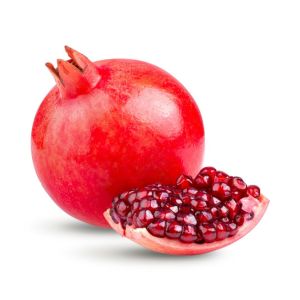
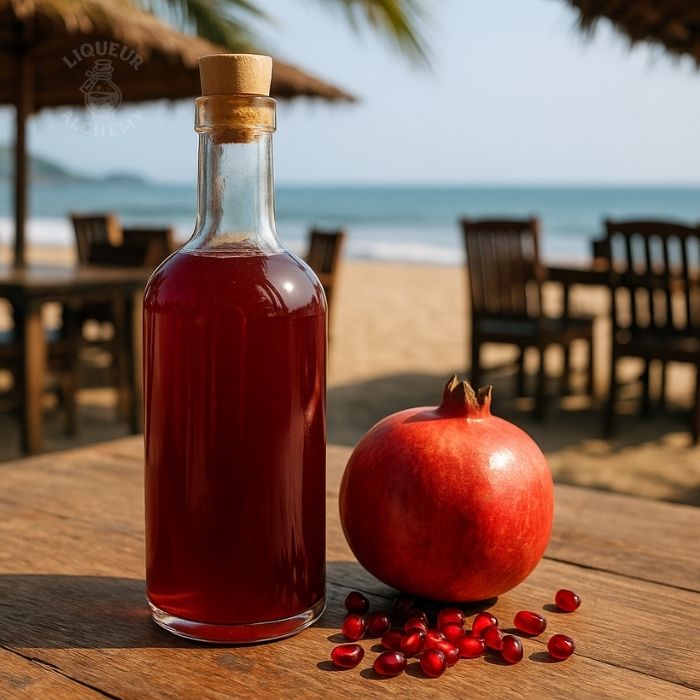
Arils (the seeds with pulp) usually give the best aroma because you’re extracting fresh fruit oils and the “sparkle” of the pulp, not just sweetness. Juice is convenient but often tastes flatter and can carry added acids or preservatives that change the balance. If you use juice, add it after you’ve made an alcohol infusion, not as the main extraction, because adding lots of water early can reduce stability and increase haze.
For arils, use 40–50% ABV and macerate 7–14 days, tasting from day 5. Keep arils mostly intact; crushing increases tannin from the seed and makes filtration harder. If using juice, use a smaller measured amount, then sweeten and adjust acid carefully—pomegranate is naturally tart, and over-acidifying can make it sharp.
Common mistakes are using low-proof alcohol (fermentation risk), over-crushing (bitterness), and chasing color by over-steeping. Flavor impact should be tart, ruby, and bright; a tiny vanilla note can round it, but keep spices minimal. Store cool and dark; pomegranate oxidizes, so minimize headspace and consider smaller bottles once opened.
Why did my pomegranate liqueur turn bitter or astringent, and how do I prevent it?
Bitterness is usually seed tannin: it spikes when arils are crushed, blended, or left too long. The fix is to strain immediately once bitterness appears, then blend down with neutral spirit or a cleaner fruit base. Sweetness can soften tannin, but it won’t remove it—blending and time are more effective.
Prevention is gentle prep: separate arils carefully, avoid pulverizing, and keep maceration moderate (often 7–12 days). Use a tea infuser bag if you’re adding any peel or spice so you can remove it quickly. If you want extra depth without tannin, add a small amount of dried hibiscus infusion (separately made) rather than over-steeping seeds.
Common mistakes include pressing the solids hard and using very high proof that pulls harsher compounds. Flavor impact should be crisp tart fruit; if it’s mouth-drying, you’ve gone too far. Store away from light and oxygen; oxidation makes astringency feel harsher as the fruity top notes fade.