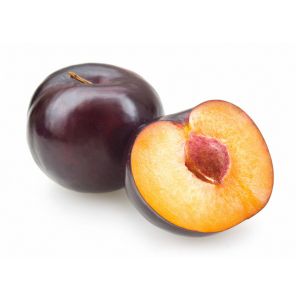
Why did my plum liqueur taste bitter, and how do I fix it?
Plum bitterness typically comes from extended skin contact, bruised fruit, or accidental inclusion of pit fragments. Strain immediately once bitterness appears; continuing only increases harshness. Then blend down with neutral spirit or a sweeter plum batch and re-balance sweetness.
Prevention: pit cleanly, keep pieces large, and taste weekly. If you want more intensity, increase fruit dose rather than extending time indefinitely. Adding a small acid lift after straining can also make bitterness feel less dominant by restoring “juicy” perception.
Common mistakes include boiling syrup with fruit still present (sets pectin, muddies flavor) and using very high proof that pulls harsher compounds. Flavor impact should be clean tart fruit; if it’s mouth-drying, shorten time next batch. Store away from heat/light; oxidation makes bitter edges feel sharper.
What’s the best base spirit for Japanese plum liqueur: vodka, brandy, or shochu?
Vodka gives the clearest plum expression and keeps the profile bright and tart. Brandy adds baked-fruit depth and makes it feel richer and rounder—great for sipping. Shochu (if you have it) can be a beautiful middle ground: softer than vodka and less oaky than brandy, letting plum aroma stay delicate.
Extraction: 40–50% ABV, 2–4 weeks, taste weekly. With brandy, keep sweetening slightly lower at first—brandy reads sweeter and can become cloying. With vodka/shochu, a small acid lift can make plum pop.
Common mistakes include using heavily oaked spirits that mask plum and adding strong spices early. Flavor impact should be tart stone fruit with floral lift; minimal vanilla is usually enough. Store cool and dark; plum ages nicely and integrates over time.
Are Japanese plums good for liqueur, and should I keep the skins on?
Japanese plums (often more tart and aromatic than some European varieties) are excellent for liqueur because they bring bright stone-fruit acidity and perfume. Keep skins on for color and aroma, but avoid crushing them into mush—too much skin contact for too long can add bitterness and tannin.
Use 40–50% ABV and start tasting at day 5. Many plum infusions peak around 2–4 weeks, depending on ripeness and cut size. Halve and pit the plums; if you want a faint almond note, you can add a few cracked pits only if you’re confident in controlled, short contact—otherwise skip pits for safety and consistency.
Common mistakes include using underripe plums (thin, sharp), leaving fruit too long (compote notes), and oversweetening. Flavor impact should be tart, juicy, and slightly floral; vanilla or a tiny cinnamon note can round it. Store cool and dark; plum liqueurs often improve after a month of rest.