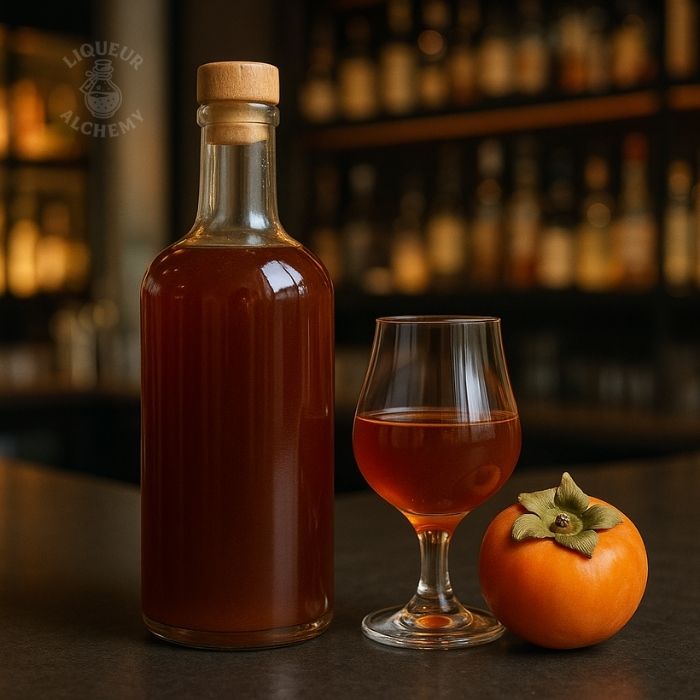
What spices pair best with persimmon liqueur without masking the fruit?
Persimmon likes “warm bakery” notes, but it’s easy to overpower. Best pairings are vanilla (¼–½ bean per liter), a small cinnamon piece, or a tiny pinch of nutmeg—added late or pulled early. These support the caramel‑honey profile without turning it into a spice liqueur.
Timing and dosage: add spices after 3–5 days of fruit maceration, then taste daily. Pull spices once you can smell them clearly—usually 12–48 hours for nutmeg, 1–3 days for cinnamon, and 2–5 days for vanilla. If you want extra depth, try toasted rice or a few roasted white sesame seeds in a tea infuser for 6–12 hours.
Common mistakes are adding cloves/anise (too dominant) or leaving spices the whole time. Keep the base clean (vodka, light brandy), strain well, and rest 2–4 weeks before judging. Store cool and dark; spice intensity increases slightly over time even after filtration.
Should I use Fuyu or Hachiya persimmons for liqueur, and does astringency matter?
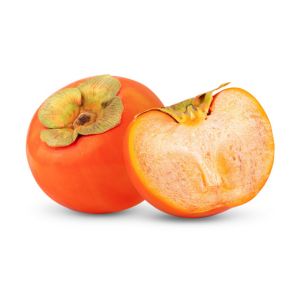
Yes—type matters. Non‑astringent Fuyu gives a clean, honeyed, pumpkin‑mango sweetness and is easier to work with because it’s edible when firm. Astringent Hachiya can taste mouth‑drying if used before fully ripe; only use it when it’s jelly‑soft (or after freezing/thawing) so tannins are reduced.
For extraction, 40–50% ABV is ideal; persimmon aroma is gentle, so avoid overpowering bases. Slice or cube (don’t puree), and macerate 7–14 days, tasting from day 5. If you detect tannin bite, strain immediately and sweeten later—sugar can soften tannins, but time on skins/seeds can increase them.
Common mistakes: using unripe Hachiya, leaving fruit too long, or adding heavy spices early. Flavor impact is warm, caramel‑fruit; pair with vanilla, cinnamon, or toasted sesame—but keep dosage tiny. Store the finished liqueur cool and dark; persimmon can oxidize, so minimize headspace and consider a small pinch of ascorbic acid if you’re bottling for months.
How do I prevent persimmon liqueur from turning bitter or tannic?
Bitterness usually comes from extended contact with skins, seeds, or underripe fruit. Peel if you’re unsure, remove seeds, and keep the pieces fairly large so you can strain quickly. Start tasting at day 4–5 and plan to pull the fruit between days 7–12 depending on intensity.
Sweeten only after straining, and do it in stages—persimmon can seem muted until you hit the right sugar level, then it blooms. If you overshoot bitterness, blend with a neutral base, add a touch more sweetness, and brighten with a small acid adjustment (citric/malic). A short rest (1–2 weeks) also helps tannins knit down.
Common mistakes include using high-heat syrup while fruit is still present, shaking hard (breaks skins), or using very high-proof spirit that drags more tannin. For storage, keep away from sunlight and oxygen; astringency can worsen with oxidation. Substitutions: dried persimmon gives less tannin and more caramel notes—use smaller doses and shorter time.