How do I use palm sugar in liqueurs without getting a burnt or smoky note?
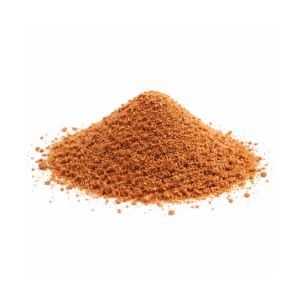
Palm sugar varies a lot by brand and can carry smoky/caramel notes from how it was cooked. If you boil it hard, you can push it into a burnt edge that fights delicate infusions.
Use gentle heat: dissolve palm sugar in warm (not aggressively boiling) water, stir until smooth, then cool completely before adding. If your palm sugar is very dark and intense, blend it with neutral sugar to keep the profile balanced.
Common mistake: cooking palm sugar syrup too long trying to “thicken” it. You don’t need thickness—alcohol will thin it anyway. Prioritize clean dissolution and aroma preservation.
What ingredients pair best with palm sugar in homemade liqueur?
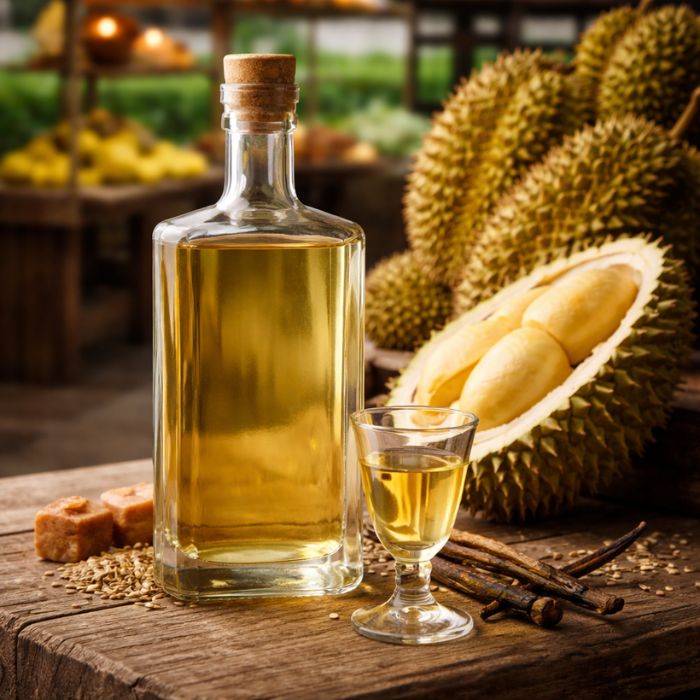
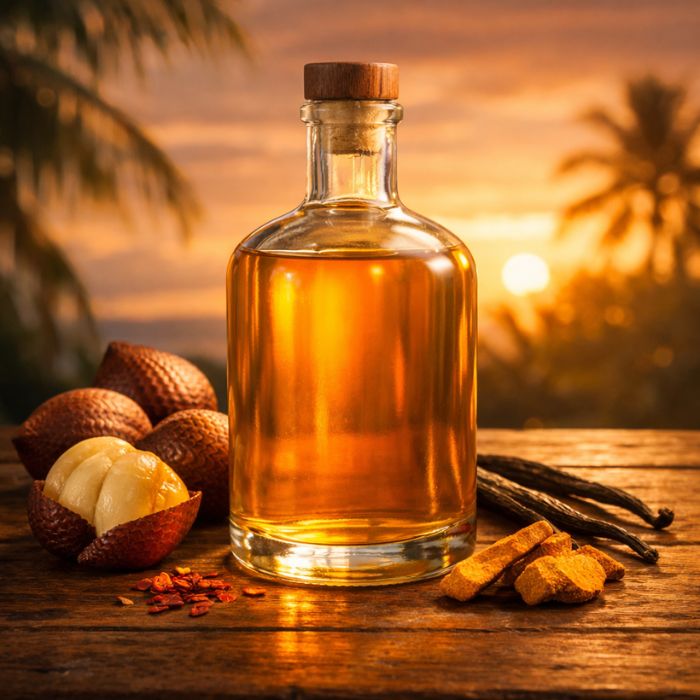
Palm sugar pairs beautifully with tropical fruit, citrus zest, vanilla, ginger, and warm spices. It can also give vodka-based liqueurs a subtle “rum-like” warmth.
In herbal liqueurs, palm sugar can soften sharp edges, but too much can make the finish feel heavy. Use it as a partial sweetener (30–70% of total sugar) when you want complexity without losing clarity.
Common mistake: using palm sugar in very delicate floral infusions at full dose. It can overpower. For florals, keep palm sugar low and let aroma lead.
Why does palm sugar sometimes leave sediment in the bottle, and how do I prevent it?
Palm sugar can contain fine insoluble particles and minerals. When added directly to alcohol, those particles can stay suspended or settle as sediment.
Prevent it by dissolving palm sugar into syrup first, then strain the syrup through a fine sieve or cloth before cooling and adding. After sweetening, rest the liqueur 5–10 days and filter if you want a cleaner look.
Common mistake: shaking every day after sweetening. That keeps sediment suspended. Once you’ve mixed it, let it sit so particles can drop, then filter once.