Is dried orange peel better than fresh zest for liqueurs?
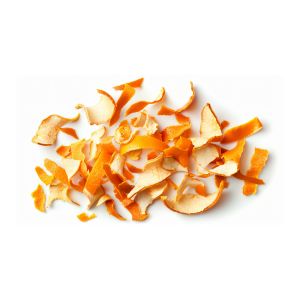
Dried orange peel is more stable and predictable than fresh zest because it brings concentrated citrus oils with less water. That makes it great for long rests and for building warm, rounded orange notes in spiced liqueurs, bitters, and darker fruit infusions.
Fresh zest has brighter “top notes” but is more sensitive: it can turn bitter fast if pith sneaks in, and the aroma can fade during long macerations. Many makers use a hybrid approach—dried peel for body and persistence, then a short fresh-zest finish for sparkle.
If you can’t find dried peel, you can make your own by peeling only the colored part (no pith) and dehydrating at low heat until brittle. Store airtight and dark; properly dried peel keeps its aroma and gives you consistent dosing batch to batch.
What are the most common mistakes when using dried orange peel in infusions?
The biggest mistake is using peel that includes thick white pith. Pith brings harsh bitterness that can dominate a liqueur quickly, especially when the peel is chopped small. Choose peel that’s mostly orange-colored rind, and avoid powdering it.
Another common error is over-dosing. Because dried peel is concentrated, people add “the amount they’d use fresh” and end up with a dry, bitter finish. Start with less than you think, taste frequently, and strain early—especially in vodka where bitterness reads sharper.
Finally, poor storage kills aroma. Dried peel should be kept airtight, cool, and away from light. If it smells flat, dusty, or stale before you even infuse it, it will infuse flat too—fresh, aromatic peel makes a huge difference.
How long should dried orange peel steep in alcohol to avoid bitterness?
Dried orange peel extracts faster than many people expect because dehydration concentrates oils and bitter compounds. You’ll often get plenty of aroma within a few days, especially in neutral spirits around 40% ABV. If you leave it for weeks, the infusion can drift from bright citrus into pithy, dry bitterness.
Dose and cut size matter. Thin strips or small pieces extract quickly, while larger curls extract more slowly and give you a wider tasting window. Start low (a small pinch or a few strips per liter), taste daily after day 2–3, and strain as soon as the citrus nose is strong and clean.
If you overshoot bitterness, don’t “wait it out.” Strain immediately, then rebalance with sweetness, dilution, or blending with an unspiced base. Resting helps integrate, but it won’t remove heavy pith bitterness once it’s extracted.