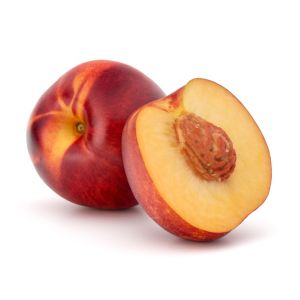
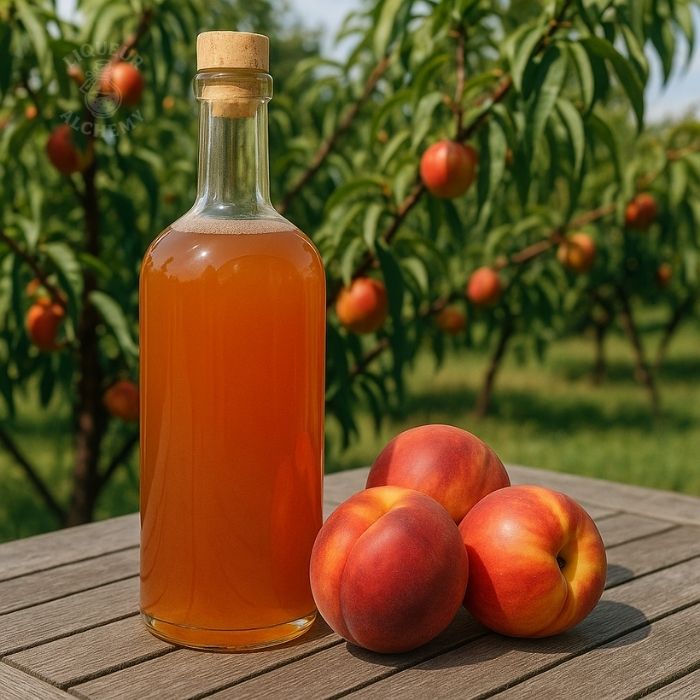
What’s the best way to boost nectarine flavor if it comes out weak?
Weak nectarine usually means the fruit wasn’t aromatic enough or you strained too early. The clean fix is to do a second, short maceration with fresh, ripe nectarine slices rather than extending the first steep. You can also increase fruit dosage in the next batch—stone fruits often need more fruit than berries to feel “present.”
Balance matters: nectarine needs sweetness plus a small acid lift to read juicy. After straining, add syrup in stages and then add tiny amounts of citric/malic until the fruit pops. If it still feels thin, blend in a small amount of peach/nectarine eau-de-vie or a touch of light brandy for body.
Common mistakes include adding more spices (they mask), or steeping longer (it goes dull). Flavor impact should be bright stone fruit with a clean finish. Store cool and dark; once opened, keep headspace low to protect aroma.
How do I make nectarine liqueur that stays bright and doesn’t taste cooked or flat?
Nectarine aroma is delicate, so gentle extraction matters. Use ripe, fragrant fruit, remove the pit, and slice (don’t puree). Macerate in 40–50% ABV and start tasting at day 3; most nectarine infusions peak around 7–14 days, after which the profile can turn dull and “compote-like.”
Keep the jar cool and dark, and minimize oxygen exposure by keeping fruit submerged. Sweeten after straining and consider a small acid adjustment (citric/malic) to make the nectarine pop. If you want extra aroma without longer steeping, add a brief nectarine-skin contact (a day or two) and strain early.
Common mistakes are using underripe fruit, leaving it too long, and adding heavy spices early. Flavor impact should be juicy stone fruit with floral lift; vanilla works, but only lightly. Store cool and dark; nectarine aromatics fade faster than dried-fruit liqueurs, so enjoy within a few months.
Do I need to peel nectarines for infusion, and can the skin make it bitter?
You don’t have to peel; the skin holds a lot of aroma and color. However, long skin contact can add faint bitterness or a drying edge, especially if the fruit is underripe. A good compromise is to leave skins on but keep time moderate and taste early.
If you want the cleanest profile, peel half the fruit and leave half unpeeled, then strain when aroma is strong. Always remove the pit; stone fruit pits can add almond-like notes, but they’re hard to control and can dominate quickly.
Common mistakes include bruising the fruit into mush (filtration problems) and steeping warm (oxidation). Flavor impact should be fresh and juicy, not tannic. Store finished bottles away from heat and light; stone fruit fades with oxygen and time.