What’s the best base spirit for mulled spice liqueur: vodka, rum, brandy, or wine spirit?
Vodka gives a clean mulled-spice profile and lets you blend it into fruit liqueurs easily. Brandy adds natural baked-fruit depth that matches mulled spices perfectly. Rum adds caramel warmth but can clash if the mix is clove-heavy. If you’re aiming for a “mulled wine” illusion, a grape-based spirit (brandy or neutral grape spirit) tends to feel most authentic.
Extraction: keep it short and controlled—spices don’t need weeks. Start with 40–50% ABV and steep 6–24 hours (or dose a tincture). Sweeten to taste and rest 1–2 weeks.
Common mistakes include using heavily spiced rum (double spicing) and leaving spice mix too long. Flavor impact should feel like warm winter aromatics, not harsh spice burn. Store cool and dark; these liqueurs hold up well over months.
Can I infuse mulled wine spice mix into alcohol, and how do I stop it from tasting like potpourri?
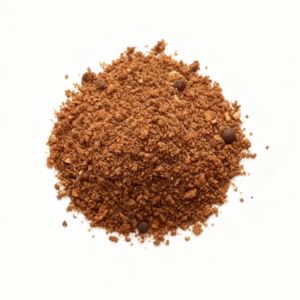
Mulled wine mixes are usually heavy on clove, cinnamon, and citrus peel—easy to overdo. Treat it like a concentrate: infuse in short bursts and taste often. Use 40–50% ABV and start with 1–2 tsp mix per liter for 6–24 hours, then strain as soon as it smells “warm” rather than “spice rack.”
For better control, steep each component separately (citrus peel, cinnamon, etc.) or make a mulled-spice tincture in high proof and dose by drops. This avoids the common problem where one strong component (clove) dominates. Sweeten after straining; sugar can round spice but won’t fix over-extraction.
Common mistakes include multi-day steeps, using ground-heavy mixes (muddy filtration), and combining with already-spiced base spirits. Flavor impact should be cozy warmth with a clear fruit backbone. Store cool and dark; spice intensity can feel stronger after a week of rest, so aim slightly lighter at bottling.
How do I balance mulled wine spices with fruit liqueurs without masking the fruit?
Build fruit first, spice second. Fruit often needs days to weeks; mulled spices often need hours. Strain the fruit infusion, then add spice mix in a bag for 4–18 hours, tasting regularly. This keeps spices as an accent instead of turning the liqueur into a spice-only drink.
Use fewer “sharp” spices: if your mix is clove-heavy, remove cloves or cut dosage in half. Citrus peel is the safest lift; cinnamon should be light; clove is micro-dose only. Sweeten after spicing, and rest 1–2 weeks so spice edges integrate.
Common mistakes are steeping everything together from day one and adding extra clove/anise on top of the mix. Flavor impact should remain fruit-forward with a warming finish. Store cool and dark; spice-forward liqueurs are stable but can intensify perceptually as fruit aroma fades.