What’s a good substitute for mint in liqueur recipes?
If you want mint’s cooling freshness, lemon balm is the closest gentle substitute, though it’s softer and more herbal than mint. Basil can also provide green sweetness, but it’s warmer and less cooling.
For a crisp “fresh” effect without mint, pair citrus zest with a small amount of a clean herb (lemon balm or basil) and keep infusion time short. This gives lift without the minty menthol note.
Substitutions work best as finishing steeps: add late, taste often, and stop as soon as you hit the desired top notes. Leafy herbs can turn bitter if you let them sit too long.
Why does mint liqueur turn bitter or “green” and how do you prevent it?
Mint turns bitter when chlorophyll and leafy compounds over-extract. You get the bright, cooling aroma early, but if you leave mint too long—especially in warm conditions—the infusion shifts toward grassy, astringent, and sometimes “plant stem” flavors.
Use fresh, clean leaves, avoid bruising them too much, and keep the jar cool and out of sunlight. Start tasting after a few hours and expect a good window around 6–48 hours depending on dosage and spirit strength.
For best control, do a short finishing steep: build your base liqueur first, then infuse mint briefly right before bottling. Strain promptly, sweeten, and rest a few days so the mint feels smooth instead of sharp.
Fresh mint vs dried mint: which is better for liqueur making?
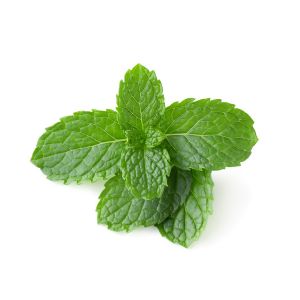
Fresh mint usually gives a cleaner, brighter aroma with a crisp cooling finish. Dried mint can taste duller and more tea-like, and it can introduce woody or dusty notes if over-infused.
Dried herbs are also more concentrated, so if you use dried mint, use less and infuse for shorter times. Taste frequently, because dried mint can go from “gentle” to “muddy” without adding much extra freshness.
If you want maximum lift, use fresh mint and treat it as a late addition. That keeps the aroma vibrant and reduces the chance of a heavy, green finish.