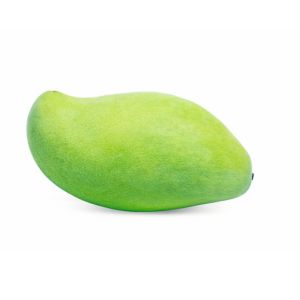
Why did my green mango liqueur taste harsh or overly sour, and how do I balance it?
Harshness usually comes from very unripe fruit, peel/membrane bitterness, or too long an infusion pulling woody notes. Strain immediately if you notice harsh edges. To balance sourness, sweeten in small steps and rest 3–7 days between adjustments; sugar perception changes after integration.
A tiny pinch of salt can smooth sharp acidity and make the mango taste fuller. If it still feels aggressive, blend down with a neutral or lightly fruity base. Avoid trying to “fix” harshness by adding lots of warm spices—spice often makes sourness feel harsher.
Common mistakes include adding syrup early (dulls aroma) and oversweetening to hide acidity (cloying). Flavor impact should be bright and refreshing, like green mango with lime. Store cool and dark; acidity is stable, but aroma fades with oxygen.
What spices and botanicals pair best with green mango (and what to avoid)?
Green mango loves lime zest, green cardamom, long pepper, chili (controlled), and a touch of ginger—think bright, zesty, and slightly warm. Keep clove and heavy cinnamon low; they can turn the profile ‘mulled’ and fight the tart-green character.
Best workflow: infuse mango first, strain, then add spices briefly (hours to a couple days) while tasting, or use spice tinctures for precise dosing. Chili and pepper are safest as tinctures so heat doesn’t overshoot.
Common mistakes include spicing from day one and leaving spices in for weeks. Flavor impact should remain mango-forward with a crisp, tangy finish. Store cool and dark; spice intensity can feel stronger after resting, so bottle slightly lighter than you think.
How long should green mango infuse for liqueur, and what’s the best cut to avoid bitterness?
Green mango is firmer, tarter, and more grassy than ripe mango, so it extracts bright acidity and a faint resin note. Peel it (skin can add bitterness), remove the seed, and cut into medium cubes rather than thin slices. Infuse at 40–50% ABV and start tasting at day 2–3; many batches peak around 5–12 days.
Dosage: 400–800 g green mango per liter depending on variety and sourness. Strain when the aroma is zesty and the tartness feels clean. Sweeten after straining—green mango needs sugar to round the sharp edge, but too much sugar early can trap haze and mute freshness.
Common mistakes include including peel, using very immature mango (harsh), and steeping for weeks (woody). Flavor impact should be tangy, tropical, and slightly herbal. Store cool and dark; bottle smaller once opened to protect the fresh top notes.