Can you use mandarine juice instead of zest for liqueur?
Zest and juice do different jobs. Zest provides the high-impact citrus aroma from essential oils; juice mainly adds acidity and water, which can dilute alcohol and make the liqueur less stable if used heavily.
If you want a fresher “mandarineade” style liqueur, add a small amount of juice after you’ve extracted aroma from zest and after sweetening. Add it gradually, tasting as you go, and keep the final ABV safely above a low threshold for shelf stability.
For classic mandarine liqueur flavor, rely on zest for aroma and use juice only as a finishing adjustment for brightness.
How should you store mandarines before infusing and what prep gives the cleanest flavor?
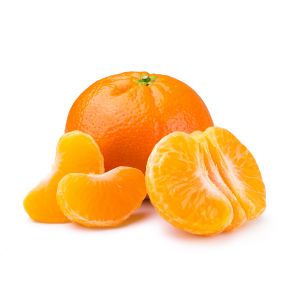
Choose firm, fragrant mandarines and avoid waxed fruit if possible, because wax can mute aroma and complicate extraction. Wash thoroughly and dry well before zesting to keep your jar clean and avoid unwanted dilution.
Prep for clean flavor by taking only the colored zest and using it fresh. If you need to hold zest, refrigerate it briefly in a sealed container, but the best aroma comes from zesting right before the alcohol contact.
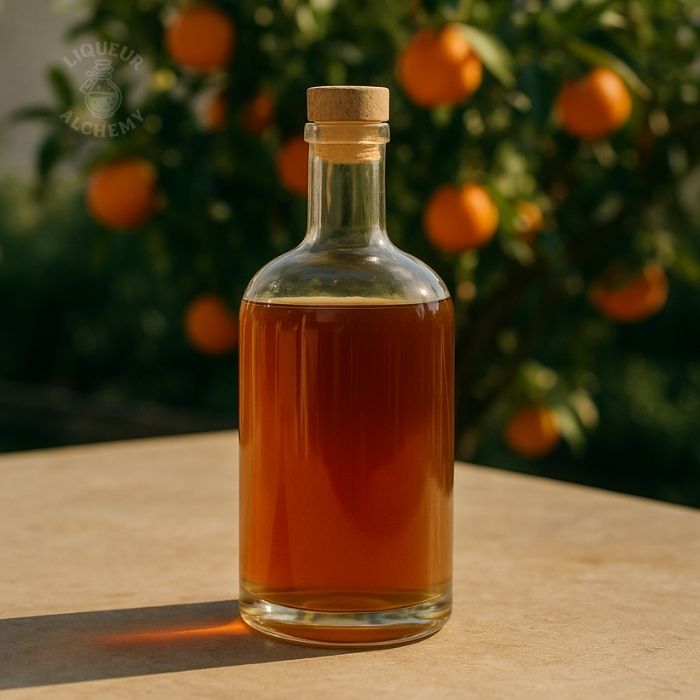
After straining, store your finished liqueur sealed, cool, and dark. Citrus liqueurs often taste sharper at first, then round out after 1–2 weeks of rest as oils and sweetness integrate.
How do you prevent mandarine peel from turning bitter in liqueur?
Mandarine (mandarin) peel can turn bitter when too much white pith is included or when peel sits in alcohol for too long. The aromatic oils come out quickly, while bitterness builds later, so timing and clean zest are everything.
Use a peeler to remove only the colored outer zest in thin strips, avoiding pith. Start tasting after 24 hours; many mandarine infusions peak within 2–5 days depending on peel thickness and spirit strength.
If bitterness appears, strain immediately and balance with sweetness and rest. For more intensity without bitterness, do multiple short zest infusions with fresh peel rather than one long soak.